A make-ready checklist runs three phases: pre-move-out prep, a documented move-out inspection with punch list, and sequenced execution (repairs, paint, flooring, deep clean, QA). Sequenced correctly, a unit turns in three to five business days.
Whether you're a tenant tracking whether your new place is genuinely ready, or a landlord running the turnover yourself, act on this now:
- Confirm your exact move-in or move-out date in writing.
- Ask whether smoke and CO detectors, locks, and HVAC have been tested.
- Request a final walkthrough before keys change hands.
OneSource Real Estate manages turns across metro Atlanta, and this checklist reflects how our team sequences them.
Key Takeaways
A make-ready checklist works because it sequences repairs, paint, flooring, and cleaning correctly and treats safety systems as non-negotiable gates, not optional upgrades.
| Point | Details |
|---|---|
| Follow the three phases | Pre-move-out, move-out inspection, and sequenced execution each build on the last; skipping one causes rework. |
| Hit the 3–5 day benchmark | Correct sequencing (repairs, paint, flooring, deep clean, QA) is what makes fast turns possible. |
| Never skip safety gates | HVAC, plumbing, electrical, and detectors are legal habitability requirements, not optional extras. |
| Document everything | Signed, dated, photographed inspections protect both tenants and landlords in deposit disputes. |
| Consider professional management | OneSource Real Estate runs full turnovers and tenant placement for landlords who want the process handled end to end. |
Table of Contents
- What Is Phase 1 of a Rental Make-Ready Checklist?
- How Do You Run a Move-Out Inspection and Punch List?
- What's the Right Sequence for Make-Ready Execution?
- What Should the Room-by-Room Checklist Cover?
- Which Systems and Safety Checks Can't Be Skipped?
- How Do You Finalize the Move-In Inspection?
- How Do You Turn a Checklist Into a Working Plan?
- What Should Landlords Tell Tenants Before Move-In?
- What Do Property Managers Get Right That DIY Landlords Miss?
- Get Your Rental Turned Around Without Managing It Yourself
- Sources
- FAQ
What Is Phase 1 of a Rental Make-Ready Checklist?
Phase 1 starts the moment notice to vacate is filed, not the day the old tenant leaves. This planning window is cheap and frequently skipped, which is exactly why skipping it causes the coordination lag that stalls turnovers for weeks instead of days.
Handle these before the unit is even empty:
- Confirm the move-out date in writing and schedule a pre-move-out walkthrough 7 to 14 days ahead of the vacancy.
- Collect the forwarding address and review deposit-return expectations so nothing gets held up on paperwork later.
- Pre-source vendors for the repairs you can already predict, and order consumables like filters, caulk, and paint in the likely color match.
- Give the outgoing tenant a short checklist: return all keys and openers, clear personal property completely, and note any pre-existing damage before they leave, so you're not guessing whose damage is whose.
Landlords managing a notice to vacate in Georgia should also confirm statutory notice periods line up with the walkthrough date.
How Do You Run a Move-Out Inspection and Punch List?
Walk the unit within 24 hours of the tenant vacating. Waiting longer risks disputes over what caused what, and it delays every phase behind it.
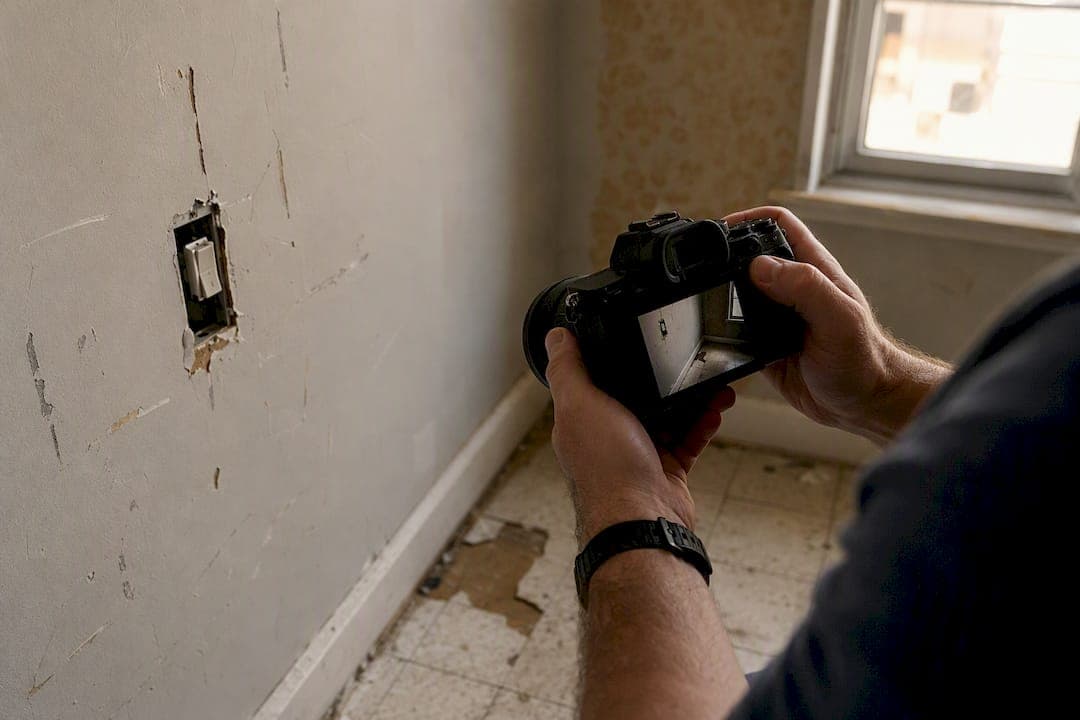
Photograph every room wide, then photograph close-ups of anything damaged: a scuffed baseboard, a cracked outlet cover, a stained ceiling tile. Compare what you see against the original move-in report. This is where you separate normal wear and tear (light carpet wear, small nail holes) from chargeable damage (pet stains, broken fixtures, missing appliances).
Inspect in the same order every time. A random walkthrough is how you miss the garbage disposal or the upstairs window lock. Go room by room: kitchen, bathrooms, living areas, bedrooms, then floors and exterior. Note appliance model and serial numbers if you'll need replacement parts or warranty service.
Once the inspection is done, turn it into a punch list. Assign each item to a trade, estimate cost and how long parts will take to arrive, and flag anything that's a capital expense rather than routine repair, like a dying water heater or an HVAC unit near end of life.
Pro Tip: Photograph the unit with a date stamp visible, either through your phone's metadata or a printed sign in frame. If a deposit dispute ever goes to a magistrate court, timestamped photos carry more weight than your memory of when you took them.
What's the Right Sequence for Make-Ready Execution?
Order matters more than speed here. Skip a step, and you'll redo work, which erases whatever time you thought you saved.
- Trades and repairs first. Anything that needs to cure, dry, or run behind walls, plumbing fixes, drywall patches, electrical work, goes first. Never paint over a wall you haven't patched yet; you'll just be patching through fresh paint next week.
- Paint and touch-ups second. Once repairs are done and dry, paint the unit. This also covers scuffs and nail holes that came up during inspection.
- Flooring third. Carpet cleaning or replacement, and any hard-flooring repair, happens after paint so you're not dripping paint onto new carpet.
- Professional deep clean fourth. This is the highest-return step in the entire process. A thorough deep clean after paint and flooring keeps the finished space actually looking finished for photos and showings, instead of dusty and streaked.
- Final quality-assurance walkthrough last. Test everything again before calling it done.
Where you can, overlap crews. A painter and an electrician can often work different rooms the same day. Just track parts lead times realistically; a special-order cabinet pull or an appliance backorder can stall an otherwise finished unit for a week if you didn't plan for it.
Keep a running list split into Active tasks (in progress today), Backlog (waiting on parts or scheduling), and Approved (inspected and signed off). This keeps a five-person crew from working at cross purposes, and it's the same discipline that gets a unit to that three-to-five-day benchmark instead of a three-week slog.
What Should the Room-by-Room Checklist Cover?
Room-by-room inspections catch what a quick glance misses. Here's what to check in each space:
- Kitchen: Run every appliance through a full cycle, oven, dishwasher, garbage disposal, refrigerator. Check faucets and drains for slow flow or leaks, test every GFCI outlet, and tighten or replace loose cabinet hardware.
- Bathrooms: Recaulk or regrout tile showing gaps or mildew, confirm the toilet doesn't rock at the base, test the exhaust fan, and clear any slow drain now rather than waiting for a tenant complaint.
- Living areas and bedrooms: Test every door and window for smooth operation and secure locking, check light switches and outlets, inspect blinds or curtains for damage, and touch up paint wherever scuffs remain.
- Floors and surfaces: Clean carpet that's still in reasonable shape; replace it if it's matted, stained beyond cleaning, or past its useful life. Repair or replace damaged hard flooring, and check that thresholds and transition strips are secure underfoot.
- Entry and exterior: Test every lock, confirm exterior lighting works, and handle basic curb appeal, trimmed landscaping, a clean walkway, a fresh coat on the front door if needed.
None of this is exotic work. It's the difference between a unit that photographs well and one that quietly tells a new tenant nobody checked.
Which Systems and Safety Checks Can't Be Skipped?
Safety and system checks aren't optional line items. They're the legal floor a unit has to clear before anyone should move in, and skipping them is what generates emergency service calls two weeks after a new tenant settles in.
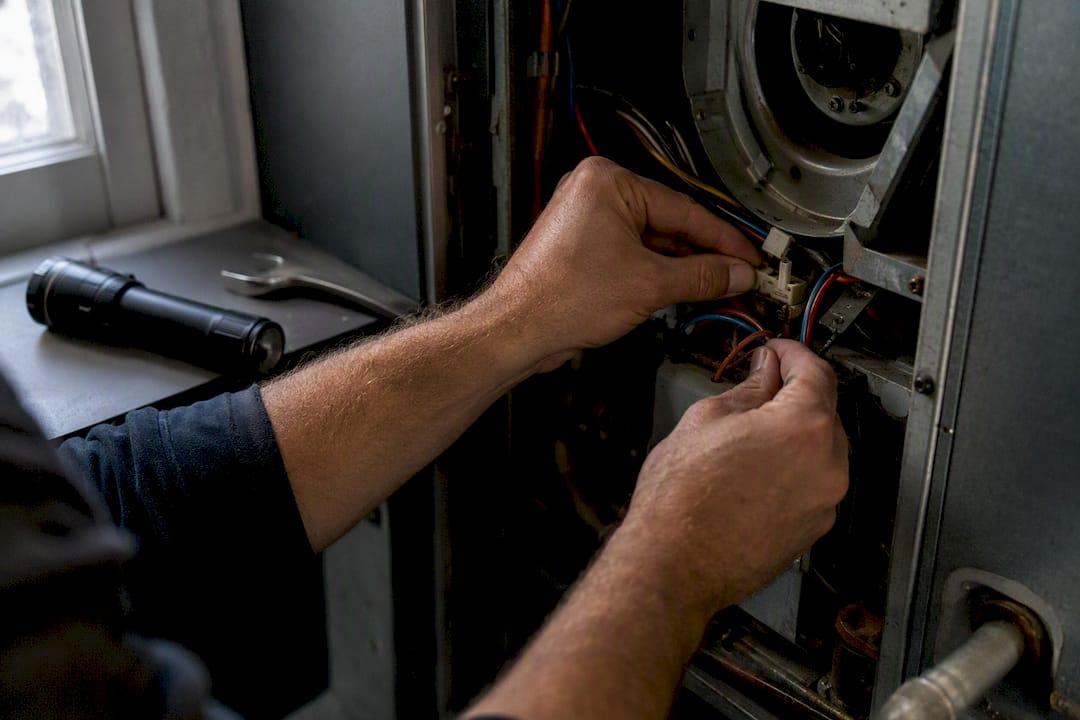
- HVAC: Run a full heating and cooling cycle, inspect the condensate line for clogs, and replace the filter. If performance seems marginal, schedule a service call now rather than after move-in.
- Plumbing: Test every faucet and toilet, check under-sink traps for leaks, and confirm the water heater functions correctly, including its temperature and pressure relief discharge line.
- Electrical: Test every outlet, trip and reset each GFCI, confirm the panel is accessible and labeled, and replace any damaged outlet or switch.
- Detectors and locks: Test every smoke and CO detector, replace batteries, swap out any unit older than 10 years, and re-key exterior locks between tenants.
Pro Tip: Condensate lines are the single most commonly missed HVAC item. A clogged line won't show up on a quick "does the air feel cold" check, but it will flood a closet or ceiling within a month if it's blocked.
A maintenance-first, system-by-system approach catches hidden failures while the unit sits empty, which is far cheaper than fixing them with a tenant already living there.
How Do You Finalize the Move-In Inspection?
Before handing over keys, confirm every system works and every repair is actually finished, not just started. Run the final cleaning check with fresh eyes; what looked clean during the deep clean sometimes shows dust a week later.
- Verify utilities are active and HVAC runs properly, then walk through the completed punch list to confirm nothing's outstanding.
- Deliver keys and access details, including whether locks were re-keyed or codes changed, along with appliance model numbers and filter sizes the new tenant will need.
- Complete a signed move-in inspection report with dated photos attached to each room, so both parties have a shared record from day one.
- Store the documentation securely and give the tenant clear instructions for requesting emergency maintenance.
Photographing the unit and attaching images to a signed condition report protects both sides if a deposit dispute ever comes up later. In Georgia, move-out inspections carry specific timing requirements for certain landlords, so check your obligations before you assume a verbal walkthrough is enough.
How Do You Turn a Checklist Into a Working Plan?
A printable, one-page checklist covering safety gates, top room checks, and final signoff items keeps a walkthrough fast and consistent, whether you're doing your fifth turn this year or your first.
- Customize it for lease-specific or local-code items, and add fields for vendor names and part numbers so nothing gets lost between inspection and repair.
- Use a simple three-status workflow, Active, Backlog, Approved, and link photos to each line item so status and evidence live together instead of in separate files.
- Store the checklist and photos in a cloud folder named by unit address and turn date, and keep records for at least as long as your state's deposit-dispute window.
This turns a static list into something a crew, a manager, or a solo landlord can actually run a turnover against.
What Should Landlords Tell Tenants Before Move-In?
A make-ready checklist that ends with the unit clean and repaired but no communication plan still sets tenants up for a bad first week. Give new tenants what they need before they walk in the door, not after they've already called with questions.
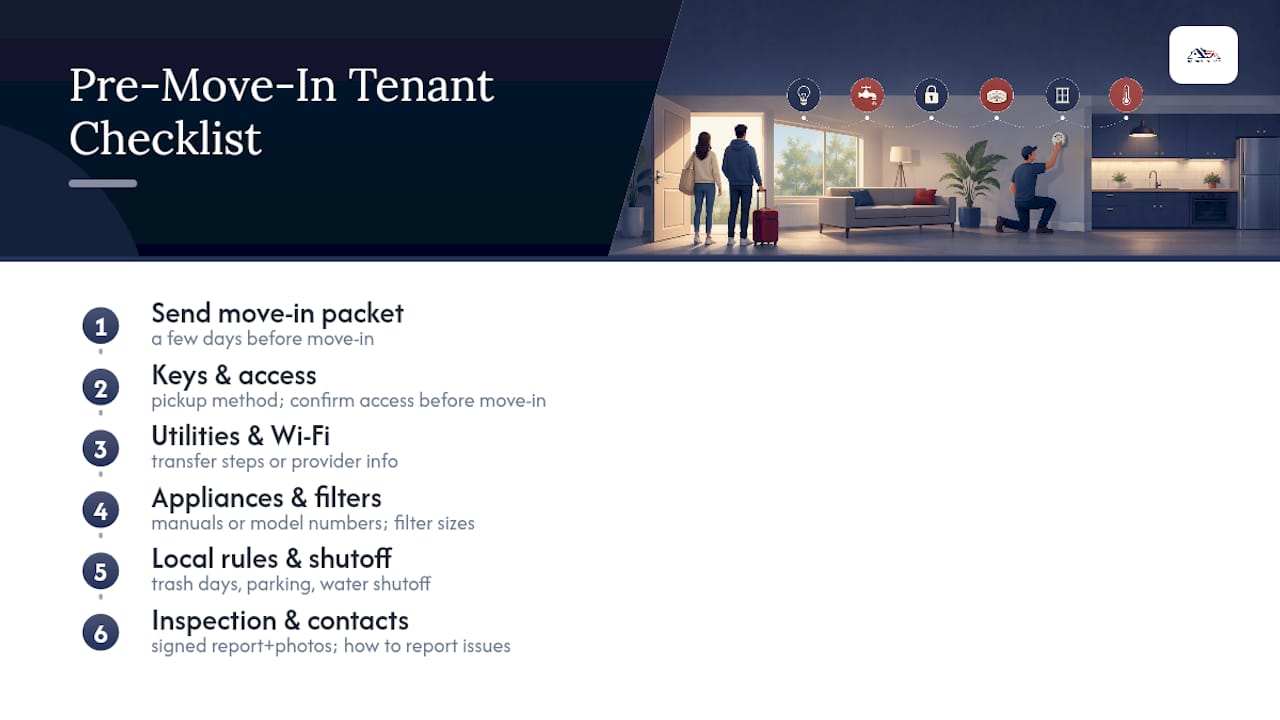
Send a move-in packet at least a few days ahead that covers the essentials: key pickup logistics (in person, lockbox, or leasing office), Wi-Fi or utility transfer steps if applicable, and a direct contact for maintenance requests. If locks were re-keyed or a smart lock code was issued, confirm the tenant has working access before their scheduled move-in time, not the morning of.
Include appliance manuals or at least model numbers for the refrigerator, dishwasher, washer, and HVAC system, along with filter sizes so tenants aren't guessing at the hardware store. A short note on trash pickup days, parking rules, and where to find the water shutoff valve saves both sides a frustrating phone call in week one.
Finally, walk the tenant (or send them) a copy of the signed move-in inspection report with photos, and explain how to flag a discrepancy within their first few days. This closes the loop from the documented move-out inspection all the way through to a tenant who knows exactly what condition they moved into and who to call if something breaks. Clear communication here prevents the kind of he-said-she-said dispute that turns a five-day turnaround into a month of back-and-forth at move-out.
What Do Property Managers Get Right That DIY Landlords Miss?
The room-by-room framework here scales the same way whether you're turning one single-family rental or coordinating a dozen units at once, though the coordination burden multiplies fast past unit three or four.
Two items get missed constantly: condensate line clogs during HVAC checks, and lingering odors from pets or smoking that a quick walk-through won't catch but a new tenant will notice on day one. Re-keying gets skipped more often than it should, too.
Documentation isn't paperwork for its own sake. Signed, dated, photographed inspections are what actually protect a deposit claim if it's ever challenged.
— Matt
Get Your Rental Turned Around Without Managing It Yourself
Running a make-ready checklist solo means chasing vendors, tracking parts lead times, and hoping nobody misses the condensate line. OneSource Real Estate handles the entire turnover for landlords across Atlanta, Marietta, Johns Creek, Alpharetta, Powder Springs, and Austell, so you're not the one coordinating five trades and a cleaning crew around a five-day clock.

Our property management service covers maintenance coordination, tenant screening, rent collection, and lease renewals under one contract, which means the same team that turns your unit also places and manages the tenant who moves into it. If you're an investor tired of playing project manager between tenants, or you're evaluating whether full-service property management makes more sense than DIY turnovers, reach out for a quote on managing your property from turnover through lease renewal.
Sources
- Apartment Make-Ready Checklist + Free Toolkit (2026) | Lula
- Apartment turnover maintenance checklist | Matterport blog
- Move-out to move-in unit turn checklist | TurnBoards
- How to Prepare a Rental Property (Make-Ready): The Complete Turnover Checklist for Landlords
FAQ
What Is a Make-Ready Checklist for a Rental?
It's a three-phase process, pre-move-out prep, a documented move-out inspection with punch list, and sequenced execution, that gets a vacant unit safe, clean, and ready for a new tenant.
How Long Should a Rental Turnover Take?
A correctly sequenced turn typically finishes in three to five business days; incorrect sequencing, like painting before repairs are done, commonly doubles that timeline.
What's the Difference Between Habitability and Rent-Ready?
Habitability covers legal minimums like working heat, plumbing, electrical, and required detectors, while rent-ready adds deep cleaning and cosmetic polish that speeds up leasing.
Do I Need to Photograph the Move-In Inspection?
Yes. Photos attached to a signed move-in report create a baseline that protects both tenant and landlord if a deposit dispute comes up later.
Should I Manage a Rental Turnover Myself or Hire a Property Manager?
DIY works for a single unit if you have the time to coordinate vendors and inspections yourself; portfolios or time-strapped owners generally do better with a property management team like OneSource Real Estate handling the entire process.