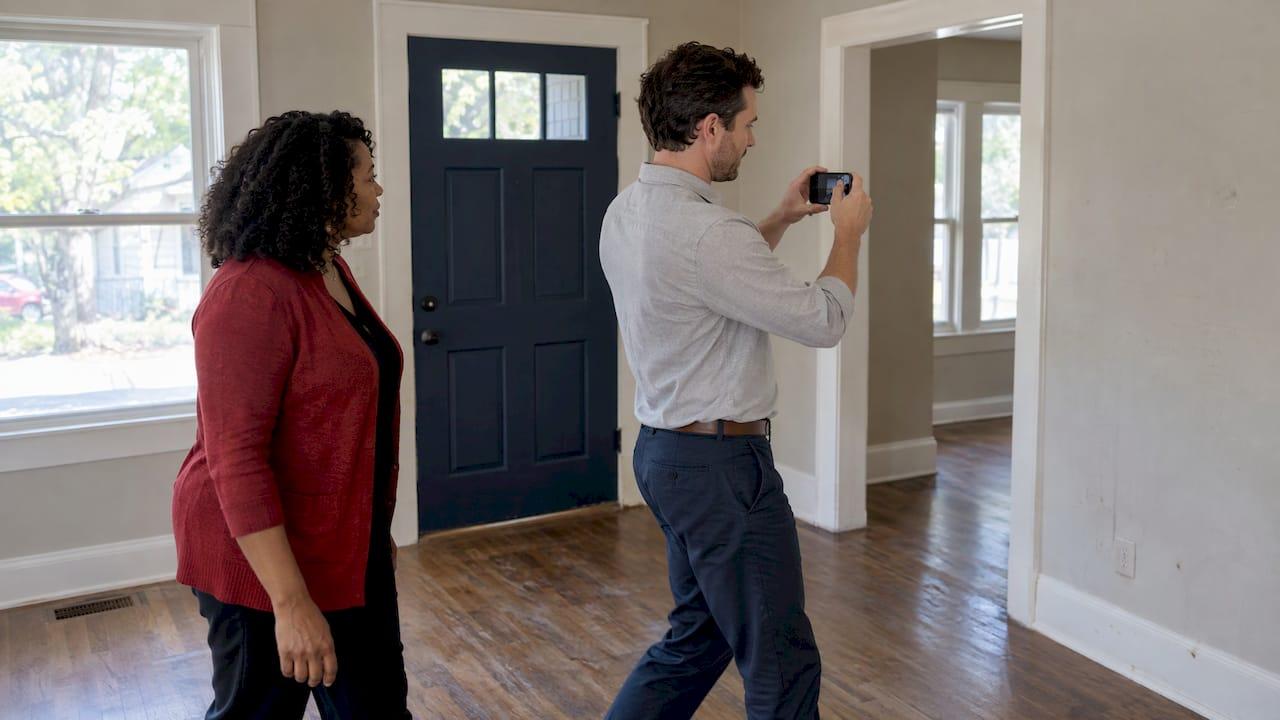
Property management onboarding is the stretch between signing a management agreement and the day your manager is running the rental. In it, you hand over documents, keys and tenant records. The manager inspects the home, sets up accounting and vendors, and takes over rent collection and maintenance. You can speed it up by gathering your paperwork before you sign. Below is the full sequence, with what changes for vacant and occupied homes, and what we do at OneSource Real Estate for owners in Atlanta and the surrounding area.
TL;DR
- Onboarding moves from signed agreement to document handover, property walkthrough, tenant notice, accounting setup and launch. Plan on a few weeks, longer if the home needs repairs.
- A vacant home goes through make-ready, marketing and tenant placement. An occupied home goes through lease review, deposit transfer and a tenant introduction.
- The documents that cause the most delays are the current lease, deposit records, insurance declarations and keys.
- Our published onboarding fee is $250 one-off. Management is 10% per month, and the optional Owner Benefit Package is $40 per month per unit.
- You still decide repair approval limits, rent targets and how you want to be contacted.
Table of Contents
- The stages of onboarding, from signature to launch
- Onboarding checklist: what to gather before you sign
- Vacant vs. occupied: two different starting points
- How the key pieces are set up
- How long onboarding takes and what slows it down
- What stays with you
- Our perspective on onboarding
- What onboarding costs with OneSource
- Start onboarding with OneSource
- FAQ
- Sources
The stages of onboarding, from signature to launch
Most onboarding processes follow the same seven stages, whatever the company calls them. The order below is how we would walk an owner through it.
- Agreement and intake. You sign the management agreement and complete an owner intake form: contact details, how you want to be reached, and your repair approval limit.
- Document handover. You send the ownership, lease, insurance and financial records covered in the checklist below.
- Property walkthrough. The manager documents the condition of the home with dated photos and notes.
- Keys, access and systems. Keys, codes, garage remotes, and appliance and utility details are collected and logged.
- Tenant communication. For an occupied home, tenants receive a notice about the new manager, where to pay rent and how to submit maintenance requests.
- Accounting and vendor setup. The owner account, trust account handling, reporting schedule and vendor list are set up.
- Launch. The manager takes over day to day. A vacant home goes to market. An occupied home moves into the regular cycle of rent collection, inspections and renewals.
Our Property Management Services guide covers what sits on the other side of launch. Stage one is where the terms get fixed, so read the property management agreement terms before you sign.
Onboarding checklist: what to gather before you sign
The fastest way to shorten onboarding is to arrive with the paperwork already in a folder. Published owner checklists, such as this one from FileRequestPro, group the material into six sets.
Ownership and legal documents
- The signed management agreement
- Deed or other proof of ownership
- Power of attorney, if someone signs for you
- Entity documents if the property is held in an LLC or trust
- Government-issued photo ID and a W-9
The W-9 matters for year-end. The manager needs it to report what it pays you. If the property sits in an entity, the entity's paperwork tells the manager who is authorized to approve repairs and sign documents.
Property information
- Address and legal description
- Floor plans, if you have them
- A list of appliances and major systems (HVAC, water heater, roof age)
- Utility account information
- Any parking assignments
- HOA contact details, rules and fees
The appliance and systems list is a small thing that saves real money later. When the water heater fails on a Sunday, the manager knows its age, its location and who serviced it last.
Lease and tenant documents (occupied homes)
- Current lease and every addendum
- Tenant names, phone numbers and emails
- Current rent amount, payment schedule and recent payment history
- Security deposit records, including where the deposit is held
- Rent roll, if you own several units
- Open maintenance requests, balances owed or credits
- Original tenant screening records
- Records of any eviction or legal proceeding
Insurance documents
- Property insurance declarations page
- Liability certificate
- Flood coverage, if the home has it
- Loss of rental income coverage
- Umbrella or excess liability policy, if you carry one
When you read your declarations page, check how roof and structure claims are paid. This explainer on actual cash value versus replacement cost shows where to find that on your policy. Your manager can then coordinate repairs knowing what your policy will and will not cover.
Financial and banking documents
- Where owner distributions should be sent
- Mortgage information
- Property tax records
- Current-year income and expense records
If your books are a mess, start with our rental property accounting guide. Clean opening balances make every monthly statement easier to read.
Vendors and warranties
- Preferred vendors you want kept
- Active service contracts, such as pest control or lawn care
- Warranty paperwork on appliances, roof or HVAC
Keys and access
Collect more than one set. One published checklist from a property manager asks for at least three sets of door keys and two garage door openers, with locks rekeyed before a new tenancy. Treat that as a sensible target. A manager who holds the only key is in a bad spot when one gets lost.
Vacant vs. occupied: two different starting points
The biggest variable in onboarding is whether someone already lives in the home.
| Vacant home | Occupied home | |
|---|---|---|
| First priority | Make the home rent-ready | Review the existing lease and tenant record |
| Key documents | Inspection photos, appliance list, utility info | Lease, addenda, deposit records, payment history |
| Tenant contact | None until placement | Introduction notice and portal or payment instructions |
| Main task | Marketing and tenant placement | Transferring deposits, balances and open requests |
| Timeline driver | Repairs and showing schedule | Tenant responsiveness and record quality |
Onboarding a vacant property
A vacant home is the cleaner start, but it takes more work before income begins. The manager walks the property, lists what needs fixing, and gets owner approval on repairs. Our make ready checklist lays out what a rent-ready home looks like. Then comes photography, pricing and marketing, followed by tenant screening and a lease drafted for the property and the state.

The launch date here is the day a tenant signs and moves in. How long that takes depends on the condition of the home, the price and the season.
Onboarding an occupied rental
In an occupied home, you are inheriting a relationship. The manager reads the lease start to finish and confirms the rent, due date, late fee terms and renewal date. Then it matches the deposit on paper to the deposit that actually exists.
The tenant gets a clear notice: who the new manager is, how to pay, how to request repairs, and who to call in an emergency. Done well, this feels like an upgrade to the tenant. Our tenant move-in process guide shows the same communication habits applied to new tenants.
Most problems on occupied homes come from records that do not match, such as a deposit amount the lease states and a different one the tenant remembers. Sort that out in the first week.

How the key pieces are set up
Property condition
The walkthrough produces a written, photographed baseline. For an occupied home, it also notes anything the tenant reports. This record protects you at move-out, when the question becomes what is normal wear and what is damage. Ask for the report in writing and keep a copy.
Maintenance and vendors
Owners usually set a dollar limit under which the manager can approve repairs without calling first. Pick a number you can live with and put it in the agreement. Emergencies such as a burst pipe or no heat should be exempt. The manager also needs to know whether you want to keep your own handyman or use its vendor network.
Accounting and reporting
The manager opens your owner ledger, records opening balances and sets the reporting schedule. Deposits belong in a separate place from operating funds. Georgia has its own statute on how landlords hold security deposits, O.C.G.A. § 44-7-31, so confirm how your manager handles deposits before the first tenant payment lands.
Tenant communications
A good launch sends one clear message: payment method, maintenance request process, office contact and emergency line. Fewer surprises for the tenant means fewer calls to you.
How long onboarding takes and what slows it down
A few weeks is a reasonable expectation for an occupied home with complete records. A vacant home takes as long as repairs, marketing and placement take. The common delays are:
- Missing lease or addenda. Without them, the manager cannot confirm terms.
- Unclear deposit records. If no one knows where the deposit sits, the transfer stalls.
- Insurance gaps. A lapsed or mismatched policy has to be fixed first.
- Repairs awaiting owner approval. A vacant home sits idle while a decision waits.
- Locked-out access. Lost keys, unknown codes and uncooperative tenants slow the walkthrough.
Every one of these is in your hands. Answer approval requests the same day and onboarding speeds up noticeably.
What stays with you
A manager takes the daily work, not the ownership. During onboarding you remain responsible for:
- Giving accurate, complete records and disclosures about the property
- Keeping insurance current and sharing the declarations page
- Setting the repair approval limit and rent targets
- Telling the manager about your own loans, taxes and entity setup, so the right documents go to the right place
- Following state and local rules that attach to ownership. For Georgia deposits, start with the statute above. For anything specific to your city or county, such as business licenses or HOA rules, ask your attorney or the local authority.
If you want to understand how decisions get split day to day, our property manager duties breakdown walks through it task by task.
Our perspective on onboarding
Owners tend to treat onboarding as paperwork. We treat it as the part of the relationship that decides whether the next three years are quiet or noisy.
Our approach is built for investors. We publish our pricing so you know the onboarding fee, the monthly rate and the renewal fee before you sign. We also keep one dedicated team in contact with you from intake to launch, so you are not repeating yourself to a new person each week.
The step we would never skip is the written baseline of the home and the lease. Everything downstream, from maintenance approvals to deposit disputes, goes better when both sides started from the same facts.
We also encourage owners to consider the Owner Benefit Package at the start, not after a problem. It is built to support owners on the legal side of renting, and it is easier to explain when nothing has gone wrong yet.
Matt
What onboarding costs with OneSource
Here is what we publish for Atlanta-area owners:
| Item | Price |
|---|---|
| Onboarding | $250 one-off |
| Monthly management | 10% per month |
| Lease renewal | $500 one-off |
| Owner Benefit Package (OBP™) | $40 per month per unit |
Tenant placement and standalone tenant procurement do not have a published price, so we quote them for the property. Our guide to the $40 OBP and eviction protection explains what the package is for.
Start onboarding with OneSource
If you own a rental in Atlanta, Marietta, Johns Creek, Alpharetta, Powder Springs, Austell or nearby, we handle tenant screening and placement, rent collection, financial reporting, maintenance coordination, lease drafting and renewal, and eviction support under one management agreement. See the details and pricing on our property management page.
Not sure whether management fits your portfolio yet? Our 30-minute consulting call is $300 one-off, and the 60-minute deep-dive session is $500 one-off.
FAQ
How long does property management onboarding take?
Expect a few weeks for an occupied home with complete records. A vacant home takes as long as repairs, marketing and finding a tenant. Missing leases, unclear deposit records and slow repair approvals are the usual causes of delay.
What do I need to give my property manager?
You need proof of ownership, a signed agreement, a W-9, the current lease and addenda, tenant contacts, deposit records, insurance declarations, keys and access codes, vendor and warranty information, and your payout details. The checklist above groups them so you can gather them in one pass.
Does onboarding work differently for a vacant property?
Yes. There is no tenant to notify, so the focus moves to repairs, photos, pricing, marketing and screening. The launch date is when a tenant signs a lease rather than when the manager takes over an existing one.
What does onboarding cost at OneSource?
Our published onboarding fee is $250 one-off. Management is 10% per month, and the optional Owner Benefit Package is $40 per month per unit. Tenant placement is quoted per property.
Do I still make decisions after onboarding?
Yes. You set the repair approval limit, approve larger repairs, agree on rent and decide whether to renew leases. The manager handles the daily work and keeps you informed.
Sources
- Property Management Onboarding Checklist: Documents to Gather (FileRequestPro)
- Georgia Code § 44-7-31 (FindLaw)
- ACV vs RCV: What U.S. Homeowners Must Find on Their Declarations