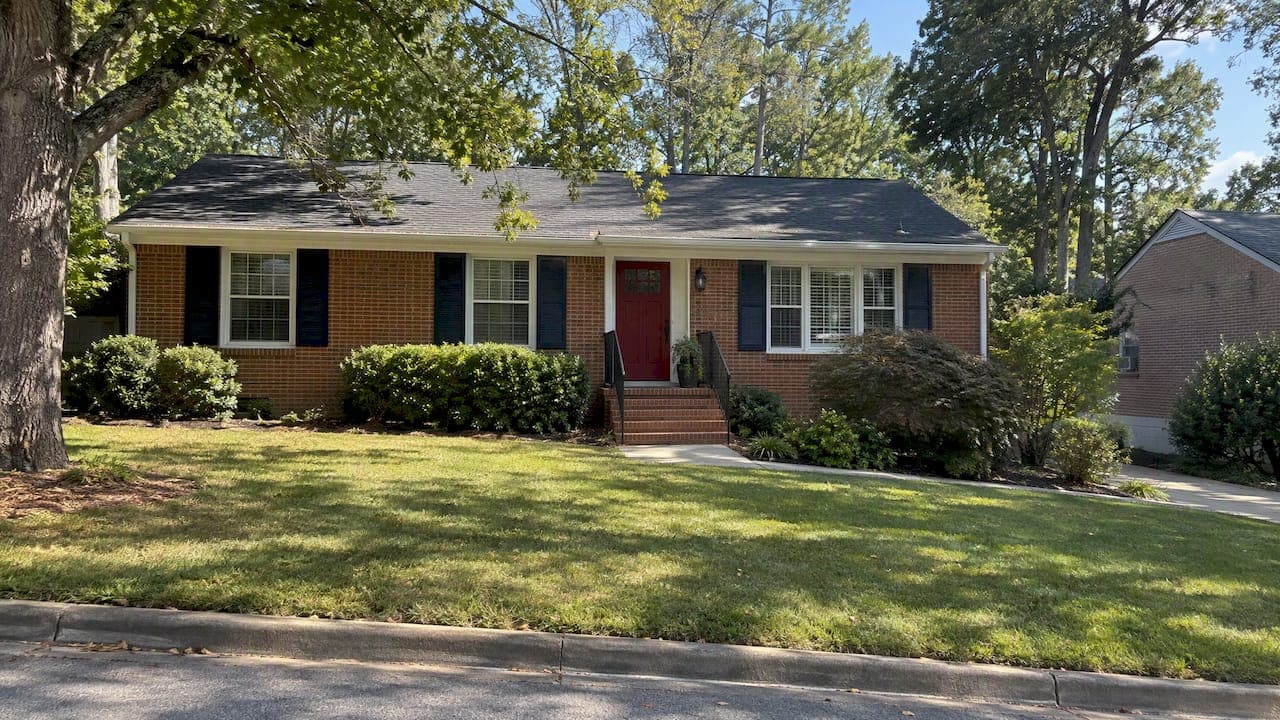
Preparing a house for sale comes down to five jobs, done in this order: get your paperwork and repair estimates in hand, fix what buyers will notice, declutter and clean, stage and shoot the photos, then keep the home showing-ready until it sells. Start six to eight weeks before you list if you can. That is enough time to do all of it without paying rush prices, and in Atlanta it lines up with the spring buying season.
Below is the full plan, with what to do, what to skip, and where the money is best spent.
TL;DR
- Gather warranties, manuals and repair estimates first, and consider a pre-sale inspection so nothing surprises you after you have a contract.
- Spend on cleaning, decluttering, fresh neutral paint and curb appeal before you spend on big renovations.
- Staging helps buyers picture themselves in the home, but you can stage with what you own before paying for a professional.
- In Atlanta, plan six to eight weeks of prep if you want to list in the spring peak.
- Keep a short routine ready for every showing: lights on, counters clear, valuables locked away, pets out.
Table of Contents
- When to start: a realistic timeline
- Step 1: Get your paperwork and numbers in order
- Step 2: Decide what to inspect, repair or leave alone
- Step 3: Declutter, depersonalize and deep clean
- Step 4: Stage the home and prepare for photos
- Step 5: Curb appeal, with an Atlanta twist
- Step 6: Prepare for showings
- Perspective: what we tell Atlanta sellers
- Working with OneSource Real Estate
- A one-page checklist to print
- FAQ
- Sources
When to start: a realistic timeline
The best time to begin is before you have picked a listing date. Repairs, contractors and painters all take longer than the quote says, and a rushed prep shows in photos.
Here is a schedule that works for most single-family homes and townhomes in metro Atlanta. Shorten it if your home is already in good shape.
| When | What to do |
|---|---|
| 8 weeks out | Talk to a listing agent, gather documents, order a pre-sale inspection if you want one, collect repair estimates |
| 6–7 weeks out | Book contractors for repairs, painting, flooring touch-ups and any lawn or tree work |
| 4–5 weeks out | Declutter room by room, donate or store what you will not use, start deep cleaning |
| 2–3 weeks out | Finish paint and repairs, refresh landscaping, decide on staging |
| 1 week out | Final deep clean, staging, professional photos |
| Listing week | Showing routine in place, spare keys and lockbox ready |
If you are aiming for the busiest part of the Atlanta year, our guide on why May peaks and how to prep in 6–8 weeks shows how to back that timeline up from your target list date. For the wider question of timing, see when to list in Atlanta and why neighborhood data matters.
If you need to sell quickly and cannot run a two-month prep, skip to the section on selling as-is below. It is a legitimate path, and the trade-offs are worth knowing.
Step 1: Get your paperwork and numbers in order
This is the least glamorous step and the one most sellers skip. Do it first, because it shapes every decision after it.
Gather warranties, guarantees and manuals
The National Association of Realtors recommends that sellers locate warranties, guarantees and user manuals for appliances and systems that will stay with the home. Buyers like a folder. A roof warranty, an HVAC service record and a dishwasher manual all say the house has been looked after.
Put them in one binder or a shared folder, along with:
- Receipts for major work such as a new water heater, windows or a roof
- Permits for any remodel, deck or addition
- HOA documents, if your community has an association
- Recent utility bills, which buyers often ask about
Ask what the home is likely worth
Prep money should be matched to a price target. A local agent can walk the house early and point out minor fixes, which U.S. News also notes in its guide to selling your house. Pricing is its own skill. We cover how to price an Atlanta home against local comparables separately, and it is worth reading before you decide how much to spend on prep.
Know what you will net
The closing paperwork for a seller includes the sale price, adjustments for property taxes and HOA dues, closing costs, mortgage payoffs and any seller credits. The CFPB publishes a sample seller Closing Disclosure so you can see each line before you get your own. Seeing it early helps you decide whether a $3,000 repair really makes sense.
Step 2: Decide what to inspect, repair or leave alone
This is where sellers waste the most money, in both directions: fixing things buyers do not care about, and ignoring things that will cost them in negotiation.
Consider a pre-sale inspection
A pre-sale inspection is not required. NAR says it can identify issues in the structure, roof, plumbing, electrical, HVAC, interiors and more, so you can repair them before showing. The national average cost of a standard home inspection is around $340, according to HomeAdvisor figures cited by AARP. Your local price may differ, so ask two inspectors.
The benefit is control. A buyer's inspection will find the same problems, but it will find them after you are under contract, when you have the least leverage.
One caution: if the inspection turns up a problem, talk to your agent about what you must disclose. Georgia is generally described as a caveat emptor state, and sellers are not required by statute to provide a disclosure statement, but most sellers do sign one, and misrepresenting or hiding a known defect can create legal exposure. If you have a specific question, a Georgia real estate attorney is the right person to ask.
Get estimates for the big items, even if you will not fix them
NAR advises sellers to estimate repair costs for significant items such as a roof, HVAC system or appliance, even if you do not plan to repair them. When a buyer asks for a credit, you will already know whether the request is fair.
A tired HVAC system is the classic example. A scheduled service visit can tell you whether it needs a tune-up or a replacement, and scheduled HVAC inspections explains what a routine check looks for. In Atlanta summers, buyers notice whether the house cools properly on a showing day.
If the house was built before 1978
Federal rules apply. According to the EPA and HUD fact sheet, before a contract is signed sellers of most pre-1978 housing must provide the lead-safety pamphlet and disclose known lead-paint information, include the required warning statement, and give buyers 10 days to conduct a lead inspection or risk assessment. The rule does not require you to test for or remove lead paint. Your agent will handle the forms, but know it is coming if you own an older Atlanta bungalow.
Repairs worth doing, and repairs to skip
A simple rule: fix what a buyer can see, smell or feel in the first ten minutes, and leave the taste-driven projects to the next owner.
Usually worth it:
- Leaky faucets, running toilets, sticky doors and loose handles
- Cracked or stained ceiling spots, after the cause is fixed
- Burned-out bulbs and mismatched fixtures
- Fresh interior paint in a neutral color
- Worn floors that can be refinished
Usually not worth it right before listing:
- Full kitchen or bathroom remodels
- Pools, additions and major landscaping redesigns
- Replacing items you have already priced as a buyer credit
Paint deserves a note. A Better Homes and Gardens Real Estate poll reported by NAR found that three out of four agents say repainting interior walls can add the most value before a sale, sometimes boosting listing value by up to 10% or $20,000. Treat that as an upper-end figure, not a promise, but it explains why painting tops most agents' lists.
Floors matter too. If you have hardwood under tired carpet or a scuffed finish, read how floor condition affects staging and sale value before deciding between refinishing and replacing. U.S. News likewise notes that small updates such as refinished floors may keep buyers from viewing a home as dated.
Selling as-is is a real option
Not every seller has the time, cash or energy for repairs. If the house needs more than you want to take on, you can list it as-is or take a cash offer. You will usually trade some price for speed and certainty. We lay out how that works in our guides to selling a house as-is in Atlanta and selling for cash in Atlanta.
Step 3: Declutter, depersonalize and deep clean
This step is cheap and the payoff is large. A cleared, clean house photographs better and feels bigger in person.
Declutter room by room
NAR's guide tells sellers to store away clutter. Do this in one pass, not scattered over weeks:
- Rent a small storage unit or use a corner of the garage for boxes.
- Start with closets. Half-empty closets read as plenty of storage.
- Clear kitchen counters down to one or two items.
- Remove extra furniture so you can walk freely through each room.
- Clear the garage floor and the front porch.
Depersonalize
Fannie Mae advises aiming for a neutral, simple, clutter-free presentation. Buyers can be put off by brightly colored walls, unusual landscaping or lots of family photos. Pack the photos, trophies and refrigerator art. You are not erasing your life. You are letting the next family imagine theirs.
Clean like a move-out
NAR names windows, carpets, lighting fixtures and walls as the places to focus. Add baseboards, vents, grout, oven interiors and the inside of the refrigerator. Hire a professional cleaning crew if you can, especially for carpets and windows. It is one of the best-value lines in the whole prep budget. For a sense of what a thorough, move-out level clean covers, these move-out cleaning tips give a useful room-by-room view of the extras people forget, such as oven, fridge and window cleaning.

Go light on air fresheners. Chase recommends little or no scent, because strong fragrance can distract rather than fix odor problems. Find and remove the source instead, whether it is pet bedding, a damp bathroom or a clogged drain.
Step 4: Stage the home and prepare for photos
Staging is about helping a buyer see a future home rather than your current one. The numbers back it up. NAR's 2025 Profile of Home Staging reports that 83% of buyers' agents say staging makes it easier for a buyer to visualize the property as a future home. The same report found 19% of sellers' agents saw buyers offer 1% to 5% more for staged homes compared with similar homes on the market.
That is a modest effect for many homes, so be selective. Dr. Jessica Lautz of NAR has pointed out that owners who have lived in a house for years often overlook features buyers dislike, which is where a fresh set of eyes helps.
Stage the rooms that sell the house
If you stage only part of the home, focus on the living room, the kitchen and the primary bedroom. Then:
- Arrange furniture around a clear focal point and leave open walking paths
- Swap heavy drapes for light ones so rooms feel bright
- Use matching, fresh towels and bedding
- Add one or two plants or a simple bowl of fruit, not a full display
- Give every room a clear purpose, even a spare room, so it is not a dumping ground
What staging costs in Atlanta
We broke it down in what Atlanta sellers actually pay for staging, from $500 to $3,200. Read that before deciding between full staging, partial staging or consultation-only.
Photos
Most buyers see your house online first. Do your final clean, then shoot in daylight with every light on and every blind open. Photograph the exterior on a clear day. Hire a professional photographer if your agent does not include one.
Step 5: Curb appeal, with an Atlanta twist
Curb appeal is the first showing. Buyers decide how they feel about a house before they walk in.
The basics apply everywhere:
- Power wash the driveway, walkway and siding
- Repaint or replace a tired front door
- Replace house numbers, porch lights and door hardware if they look dated
- Edge beds, mulch, and trim shrubs back from windows
- Clean gutters and repair any rotted trim
A front door and trim in good condition also signal that the windows and doors have been maintained. If you spot soft wood or failed seals, a vendor checklist for window and door services can help you decide which repairs to price out and how to compare contractors.
Lawns in the Atlanta heat
Georgia summers are hard on turf. University of Georgia Extension experts warn that hot, dry conditions can lead to chinch bug damage in St. Augustine lawns, showing up as wilting, yellowing patches, especially in sunny spots near pavement. The same guidance suggests keeping soil moist in hot, dry areas and using spot treatments with granular or liquid insecticides. Read the label and follow it, or hire a licensed lawn care company if the damage is widespread.
Bigger landscaping projects such as irrigation, outdoor lighting, stone walls and patios can need more skill than the average homeowner has. UGA Extension says that when a job seems too big, it may be time to call a landscape design professional. For a pre-sale project, keep it simple: healthy grass, fresh mulch, trimmed shrubs and a few seasonal flowers by the front door.
Step 6: Prepare for showings
Once you are on the market, a routine matters more than a perfect house. NAR's checklist for every showing says to make beds, clear counters, wipe surfaces and appliance fronts, organize the refrigerator, clean mirrors, put out clean towels and clear pathways.
Before you leave the house for each showing:
- Open window treatments and turn on all the lights.
- Clear counters and tables.
- Secure valuables, firearms, collectibles, electronics and prescription medication.
- Disable the alarm, or give your agent the code.
- Take your pets with you.
- Set the temperature so the house is comfortable, which in Atlanta in July or January makes a real difference.
Keep a laundry basket and a small cleaning kit handy so a ten-minute reset is always possible.
Perspective: what we tell Atlanta sellers
We see sellers go wrong in two ways. Some do nothing and hope the price will carry the listing. Others spend heavily on projects that buyers never value. The sweet spot is in between: a clean, bright, neutral house with the obvious defects handled and a clear idea of what the big systems will cost.
Our advice is to prepare in the order buyers experience your home. First the photos, then the front yard, then the first ten minutes inside. Anything past that, such as a new countertop or a different tile, rarely repays you at closing, and it delays your listing date.

We also work with investors and landlords, so we look at houses the way a buyer who is running numbers would. That buyer notices the age of the roof and the HVAC, and does the math on repairs. If you can answer those questions with a receipt or an estimate before they ask, you keep the negotiation on your terms. Our own make-ready checklist for rental properties uses the same principle: document the condition, fix the essentials, and move on.
And when the market is balanced, presentation counts even more. When supply rises, the best-prepared homes still draw offers, as we describe in our look at when to push for multiple offers in Atlanta.
— Matt
Working with OneSource Real Estate
If you want a second opinion on what to fix, what to leave and how to price, Sell My Home is where we start. We walk the property with you, help you decide where prep money pays off, and handle the listing from there. If the house needs more work than you want to take on, ask about a cash offer and compare it against a traditional sale.
A one-page checklist to print
Paperwork
- Warranties, manuals and receipts in one folder
- Pre-sale inspection decision made
- Estimates for roof, HVAC and any big appliance
- Pre-1978 lead paint forms, if they apply
Repairs and updates
- Minor repairs finished
- Interior paint touched up or redone in neutral colors
- Floors cleaned or refinished
- Light bulbs and fixtures matched
Inside
- Closets half empty
- Counters cleared
- Personal photos packed
- Deep clean complete, including windows and carpets
Outside
- Pressure washing done
- Lawn healthy, beds mulched
- Door, house numbers and porch lights in good shape
Listing and showings
- Professional photos shot
- Showing routine written and shared with the household
- Valuables and medication secured
FAQ
How long does it take to get a house ready to sell?
Most homes need four to eight weeks, depending on repairs and how much needs to be decluttered. A home in good condition can be ready in two weeks. If you are planning for the Atlanta spring market, six to eight weeks is a comfortable window.
Do I need a pre-sale inspection?
No, it is not required. It can help you find structural, roof, plumbing, electrical or HVAC issues before buyers do, and it gives you time to fix them or price around them. Ask your agent how your findings affect what you must disclose.
Which improvements add the most value before selling?
Fresh neutral paint, deep cleaning, decluttering and curb appeal usually give the best return for the money. Large remodels rarely pay back right before listing. Get a local agent's view on your specific house and neighborhood.
Should I stage my home?
Staging helps buyers picture themselves in the house, and NAR data shows most buyers' agents agree. Start with the living room, kitchen and primary bedroom, and use your own furniture where you can. Professional staging is worth considering if the home is vacant.
Sources
- NAR Consumer Guide: Preparing to Sell Your Home
- CFPB sample seller Closing Disclosure
- U.S. News: How to Sell Your House
- AARP: 10 Expert Tips to Get Your Home Ready to Sell
- Real Estate Fraud in Georgia: What Buyers and Sellers Need to Know
- EPA Lead-based Paint Disclosure Rule Fact Sheet
- NAR: Why Fresh Paint Still Rules in Home Sales
- Fannie Mae: The home selling process
- Chase: Tips to Prepare Your House for a Showing
- NAR 2025 Profile of Home Staging
- NAR: Home Staging & Home Sale Profits
- UGA Extension: Lawn care tips as chinch bugs spread
- UGA Extension: Choosing a Landscape Design Professional
- NAR: Seller Checklist, 15 Things to Do Before Every Showing
- How floor condition affects staging and sale value
- Scheduled HVAC inspections
- Vendor checklist for window and door services
- Move-out cleaning tips