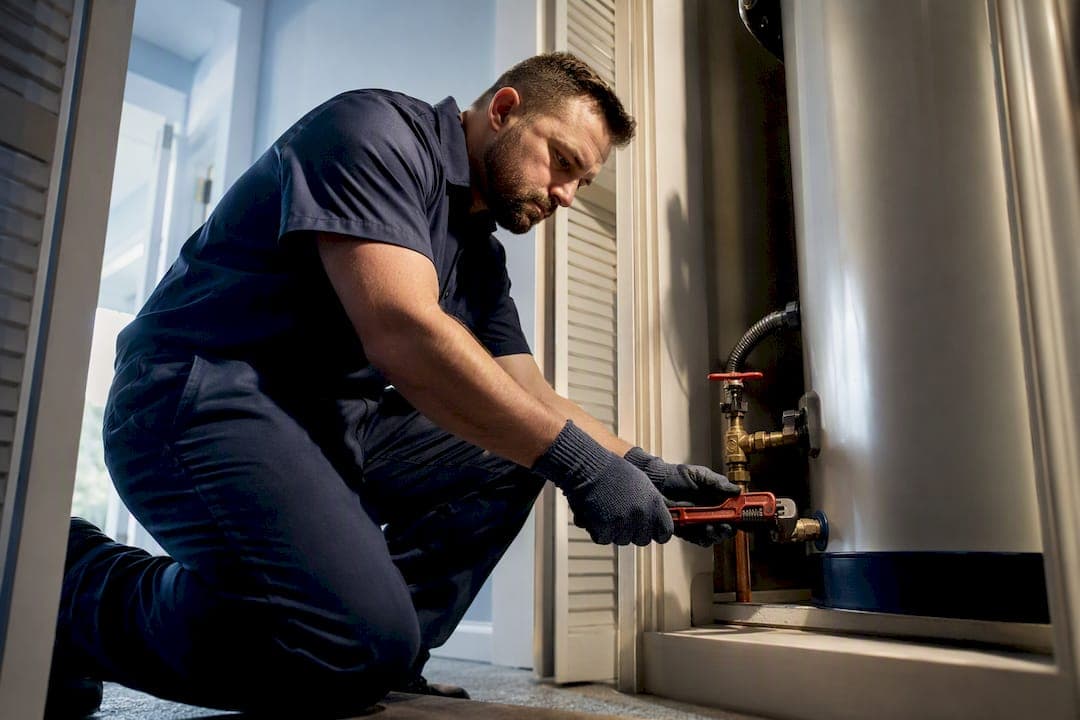
Georgia landlords must keep rental units fit for human habitation and in good repair, under Georgia Code §44-7-13. Tenants must send written notice describing the problem before they can pursue any remedy. Withholding rent is not a lawful shortcut, no matter how frustrating the wait feels. Document every step, and if a landlord stalls, contact Georgialegalaid or an attorney before taking matters into your own hands.
TL;DR:
- Tenants must document repair requests in writing with detailed descriptions, photos, and proof of delivery to ensure legal protection.
- Landlords are legally responsible for maintaining structural, plumbing, heating, electrical, and lease-specific appliances, but air conditioning obligations depend on lease terms.
- Repair delays are judged based on what is reasonable for the issue’s severity and season, with no fixed deadline imposed by law.
- Withholding rent is illegal in Georgia; tenants should pursue remedies through written notices, repair-and-deduct, or court actions instead.
- Out-of-state landlords managing Georgia properties should designate a local agent to handle repairs promptly and avoid legal disputes.
Table of Contents
- What Georgia Law Requires of Landlords
- What Tenants Are on the Hook For
- How to Request Repairs the Right Way
- What Tenants Can Do When Repairs Don't Happen
- Retaliation Protections and Out-of-State Landlord Rules
- A Documentation Checklist for Both Sides
- A Property Manager's View on Preventable Disputes
- How OneSource Real Estate Handles Repairs and Compliance for Georgia Landlords
- Where to Go for More Georgia Repair Guidance
- Sources
- FAQ
What Georgia Law Requires of Landlords
Georgia Code §44-7-13 puts the repair burden squarely on the landlord. The statute requires landlords to keep the premises "in repair" and makes them liable for the cost of substantial improvements they've consented to. That's a short sentence carrying a lot of weight: it's the legal foundation every repair dispute in the state eventually traces back to.
The Safe at Home Act (HB 404) added teeth to that foundation. For leases entered into or renewed after the summer of 2024, Georgia law requires that rental agreements include a habitability provision, stating plainly that the unit must be fit for human habitation.
A rental unit isn't just a structure with four walls and a roof. Under Georgia law, it has to actually work: plumbing that drains, heat that runs, wiring that's safe, and a structure that holds.
That duty typically covers structural elements, plumbing, heating systems, electrical service, and essential utilities. Air conditioning is a gray area. If the lease specifically includes AC as part of the unit, the landlord has to maintain it. If the lease is silent, that obligation gets murkier fast.
What Tenants Are on the Hook For
Tenants aren't off the hook entirely. Landlords can't be blamed for a clogged drain caused by grease buildup, a broken window from a slammed door, or carpet stains from a spilled drink; that's tenant-caused damage, not a landlord repair issue. Normal wear and tear, like a worn doorknob after years of use or fading paint, is different. That falls on the landlord.
No lease clause can fully hand off the landlord's statutory duty to repair, even when the lease tries to make the tenant responsible for "all maintenance." Georgia courts don't let landlords write their way out of §44-7-13 entirely. Still, tenants should read the appliance and AC language in their lease closely. If the unit was rented with a working air conditioner or refrigerator, keep that in writing. It becomes the proof you need if either one fails later.

How to Request Repairs the Right Way
A phone call to the property manager isn't enough if the problem doesn't get fixed. Georgia law expects tenants to put repair requests in writing, and that written record becomes your leverage if the dispute escalates.
- Describe the problem specifically, including the date you noticed it.
- Attach photos or video showing the damage or malfunction.
- State what fix you're requesting and give a reasonable deadline.
- Send it through a method that creates proof: certified mail, email, or a tenant portal with a timestamp.
- Keep copies of everything, including any response.
Georgia has no statutory day count for repairs. The law uses a "reasonable time" standard, and what counts as reasonable depends on the severity: a broken water heater in January gets a much shorter clock than a cosmetic issue. If nothing happens after a reasonable window, send a second written notice. If you're considering repair-and-deduct, say so explicitly in that follow-up and give the landlord one more chance to respond first.
Pro Tip: Email yourself a copy of every notice you send, right when you send it. A timestamped inbox entry is often more convincing in a dispute than the original message itself.
What Tenants Can Do When Repairs Don't Happen
Once a landlord ignores a reasonable repair window, tenants have a few real options, and one option that looks tempting but isn't legal.
- Sue for damages in magistrate or civil court, using your written notice and photo documentation as evidence.
- Ask a court for specific performance, essentially an order compelling the repair.
- Use repair-and-deduct, but only after written notice and only for reasonable, documented costs, ideally using a licensed professional rather than doing it yourself.
- Contact GeorgiaLegalAid.org or Georgia's consumer resources for guidance on your specific situation.
Georgia has no state agency that can force a landlord to make repairs. There's no housing inspector who shows up and orders the furnace fixed. Enforcement runs through the courts or through legal aid, which makes documentation the whole game.
Repair-and-deduct is riskier than it sounds. Tenants who do the work themselves without prior landlord agreement, or who hire unqualified help, often lose that claim entirely when a court finds the cost unreasonable or the notice insufficient.
One point can't be repeated enough: withholding rent because repairs haven't happened is not a lawful remedy in Georgia. It's one of the fastest ways to end up facing an eviction filing instead of a fixed water heater.
Retaliation Protections and Out-of-State Landlord Rules
Georgia law protects tenants who report habitability problems from retaliatory eviction, rent hikes, or lease non-renewal. A tenant who establishes a prima-facie case of retaliation can recover one month's rent, $500 in statutory damages, or actual damages, whichever applies. Courts often look for suspicious timing, like an eviction notice filed days after a repair complaint, as evidence.

Out-of-state landlords face growing scrutiny too. Because tenant repair communications need a fast, in-state response, many owners now designate a Georgia-based agent or licensed broker to handle maintenance requests. Skipping that step slows down response times and increases the odds of a habitability complaint turning into a legal one.
A Documentation Checklist for Both Sides
Whether you're the tenant or the landlord, the same habit protects you: write everything down, the moment it happens.
- Keep a dated written notice for every repair request, sent and received.
- Take timestamped photos or video of the problem before and after the fix.
- Save every repair receipt and vendor invoice.
- Log every phone call and email, with dates.
- Record inspection notes after every maintenance visit.
Tenants weighing repair-and-deduct should talk to an attorney or GeorgiaLegalAid first; the financial risk of getting it wrong outweighs the convenience. Landlords should log every maintenance visit immediately, since that log is often the deciding evidence in a habitability dispute.
Pro Tip: If you manage more than one rental, a shared digital log, even a simple spreadsheet, beats scattered text threads every time a dispute lands in front of a judge.
A Property Manager's View on Preventable Disputes
Most repair disputes I see trace back to the same three mistakes: no written record, a slow vendor response, and vague lease language about what's included. All three are fixable before they become a legal problem. Clear lease terms about AC and appliances, routine inspections, and fast communication solve most of it. Landlords who treat maintenance response time as seriously as rent collection rarely end up in court.
— Matt
How OneSource Real Estate Handles Repairs and Compliance for Georgia Landlords
A property management firm can be an alternative to juggling repair notices, vendor calls, and lease compliance on your own. Instead of chasing down contractors and drafting notice letters at 11 p.m., you get a team that coordinates maintenance, documents every request, and keeps your lease language current with laws like HB 404.
That matters most if you own property out of state, manage more than one unit, or just don't have the hours to spend on tenant calls. OneSource Real Estate's Monthly Management service, priced at 10% per month, handles maintenance coordination, tenant communication, and legal compliance so a missed repair notice never turns into a retaliation claim or a lease violation. Owners who want extra coverage can add the Owner Benefit Package (OBP™) for $40 per month per unit. If you're filling a vacancy first, Tenant Placement gets a qualified renter in place before repair issues even start. Visit the property management page to see what's included and schedule a call.
Where to Go for More Georgia Repair Guidance
Start with the statute itself, Georgia Code §44-7-13, then read GeorgiaLegalAid's repair guidance for practical steps. The Georgia DCA handbook covers forms and process detail, and lease-specific questions are answered in this Georgia Realtors Lease guide.
This article is general information, not a substitute for advice from a qualified lawyer. Consult a qualified legal professional about your own circumstances before acting on anything here.
Sources
- Georgia Code § 44-7-13 (2021) - Landlord's Duties as to ...
- Safe at Home Act (HB 404) effect summary
- Georgialegalaid
- Article on landlord-tenant law and anti-retaliation protections
FAQ
What Are a Landlord's Repair Responsibilities Under Georgia Law?
Georgia landlords must keep the premises in repair and fit for human habitation under Georgia Code §44-7-13. That covers structural issues, plumbing, heating, electrical systems, and any appliances or AC units specifically named in the lease.
Can You Withhold Rent for Repairs in Georgia?
No. Withholding rent is not a lawful remedy in Georgia, even when a landlord has ignored a legitimate repair request. Tenants who stop paying rent risk an eviction filing regardless of how justified the underlying complaint is; the correct remedies are written notice, repair-and-deduct under narrow conditions, or a lawsuit for damages.
What Changed With Georgia's Safe at Home Act (HB 404)?
The Safe at Home Act requires that leases entered into or renewed on or after July 1, 2024, include a provision stating the premises are fit for human habitation. It reinforces the existing statutory duty to repair rather than creating a brand-new obligation.
How Long Can a Landlord Leave You Without Air Conditioning in Georgia?
There's no fixed statutory deadline; the law uses a "reasonable time" standard that depends on severity and season. If AC was included in your lease, a multi-week wait during a Georgia summer is the kind of delay that could support a repair-and-deduct claim or a lawsuit, provided you sent written notice first.
Does Georgia Have an Agency That Forces Landlords to Make Repairs?
No. Georgia has no state agency that compels landlords to complete repairs, according to the state's own consumer resources. Enforcement happens through the courts or through legal-aid assistance, which is why written documentation matters more in Georgia than in states with active housing inspectors.