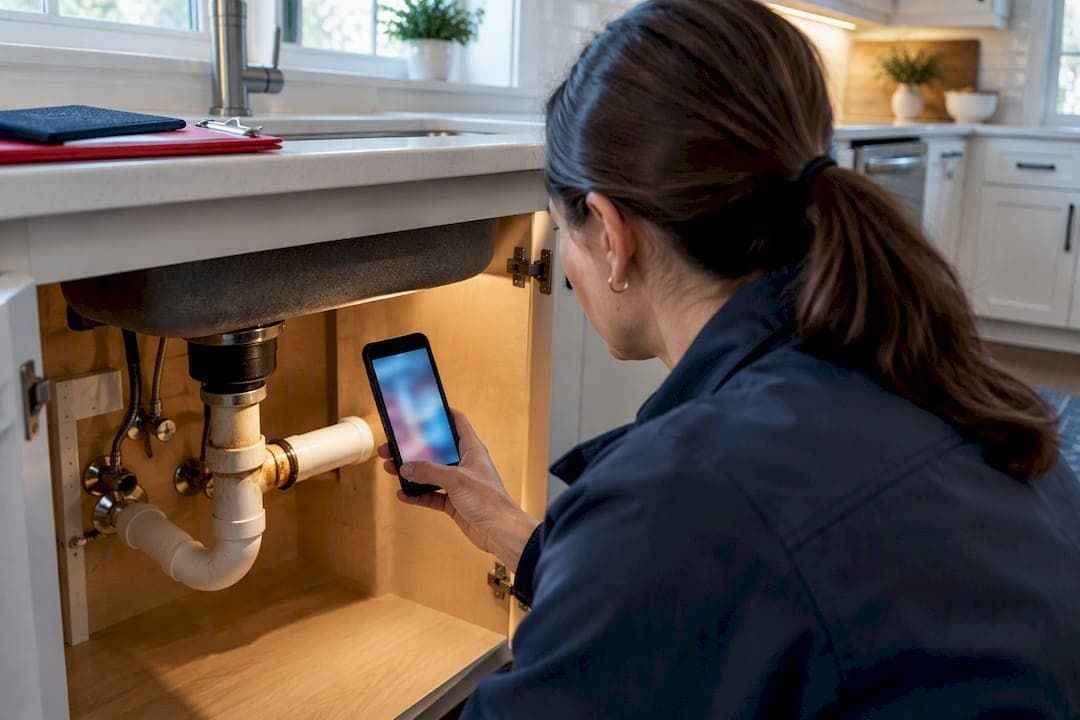
Most Georgia landlords should run a routine inspection on a regular basis, more frequently for older units, high-turnover properties, or tenants with a rocky payment history, and less frequently for stable, well-maintained homes with long-term tenants. Georgia's DCA Decent, Safe, and Sanitary checklist sets the baseline for what to check, and property management firms build inspection schedules around it daily. County ordinances or specific lease clauses can push that cadence tighter, so always check local rules before locking in a schedule.
TL;DR:
- Regular inspections should be more frequent for older units, properties with prior problems, or tenants with inconsistent payments, usually every three to six months.
- Inspections must follow a standardized checklist focused on habitability, including safety detectors, plumbing, electrical systems, HVAC, structural integrity, and exits.
- Landlords must provide proper notice before inspections and avoid unannounced entries, especially in Georgia, where legal procedures are strict.
- County-specific rules, such as Cobb County's, may require licensed inspectors and regular county inspections, making coordination critical.
- Keeping detailed, timestamped records of inspections and repairs is essential for legal defense and handling deposit disputes.
Table of Contents
- How Often Should You Inspect a Rental Property in Georgia?
- What Belongs on a Georgia Rental Inspection Checklist?
- What Georgia Law Requires Before and After a Tenant Inspection
- How to Run a Routine Inspection Without Legal Headaches
- When Cobb County (and Others) Require Their Own Inspections
- When Should You Bring in a Certified Third-Party Inspector?
- What Records Should You Keep After Every Inspection?
- Why We Treat Routine Inspections as Non-Negotiable
- Let OneSource Real Estate Handle Your Inspection Schedule
- Where to Verify Georgia's Inspection Rules Yourself
- Sources
- FAQ
How Often Should You Inspect a Rental Property in Georgia?
The right frequency depends on the property, not a one-size answer. Here's how to think about it:
- Quarterly (every 3 months): Best for units over 20 years old, properties with a history of plumbing or HVAC problems, or tenants who've had late payments or prior lease violations.
- Semi-annual (every 6 months): Works for newer construction, long-term tenants with a clean track record, and single-family homes without a maintenance backlog.
- Annual: Rare, and usually only appropriate for owner-occupied duplexes where the landlord already has regular contact with the tenant.
- Drive-by checks: Quick exterior looks between full inspections, useful for spotting yard neglect, unauthorized vehicles, or visible roof and gutter damage.
Beyond the calendar, certain events should trigger an inspection regardless of schedule: any water intrusion or reported leak, a completed renovation or repair, a maintenance request pattern that suggests bigger damage, or repeated lease violations. Waiting for the next quarterly slot after a reported leak is how a $200 drywall patch turns into a $4,000 mold remediation bill.
What Belongs on a Georgia Rental Inspection Checklist?
Georgia's DCA built its Housing Quality Standards checklist around habitability, not cosmetics, and incorporating regulatory signage in US property management is a vital part of that frame for any landlord's routine walk-through. Base your checklist on these categories:
- Life safety: Working smoke and carbon monoxide detectors in every required location, with fresh batteries or hardwired confirmation.
- Plumbing: No active leaks, functioning shutoff valves, water heater condition, and proper drainage in sinks and tubs.
- Electrical: Outlets and switches in working order, no exposed wiring, GFCI outlets near water sources.
- Heating and cooling: HVAC system running properly, filters changed, no unusual noises or odors.
- Structural safety: Stable stairs, secure handrails, no rot or foundation cracks, doors and windows that open and close properly.
- Exits: Clear egress paths, functioning locks, no blocked emergency exits.
Layer on landlord-specific checks: signs of pests, water stains or mold on ceilings and walls, appliance function, tenant-caused damage versus normal wear, general cleanliness, and HVAC filter condition. DCA also recommends self-checking against the DSS form before any official inspection so the unit passes on the first pass, not the second.
Document every item as pass or fail, and take time-stamped photos of anything questionable.
Pro Tip: Use the same numbered checklist every single inspection, in the same order, room by room. Consistency is what makes your records credible later if a tenant disputes a deduction or a code inspector asks questions.
What Georgia Law Requires Before and After a Tenant Inspection
Routine inspections and legally mandated ones are not the same thing, and mixing them up can cost you. Georgia's Landlord-Tenant Handbook spells out specific obligations that apply once you cross certain thresholds:
- If you own more than ten units or use a management agent, you must give tenants a written, signed list of existing damage before you can legally accept a security deposit.
- Move-out inspections have a defined timeline, and your security deposit return window follows Georgia's statutory deadlines rather than whatever the lease happens to say.
- Tenants have the right to request a walk-through and contest deductions they believe don't reflect actual damage.
- Entry for a routine inspection must follow your lease's notice terms; unannounced entry without a lease provision or genuine emergency risks a fair-housing or trespass complaint.
Skipping the written damage list when you're required to provide one isn't a paperwork technicality. State consumer guidance makes clear that landlords who fail to follow the move-in and move-out procedures when required can face penalties well beyond the deposit amount itself, including exposure to treble damages on wrongfully withheld funds.
Keep routine maintenance inspections separate from anything a county or code enforcement office initiates. The former is about upkeep; the latter enforces minimum legal standards and can carry fines that have nothing to do with your lease.
How to Run a Routine Inspection Without Legal Headaches
A clean inspection process has three phases, and skipping any one of them is where landlords get burned.
- Before: Schedule the date, send notice per your lease terms (48 to 72 hours is standard practice even where not strictly required), print or load your checklist, and line up a vendor in advance if you already suspect an HVAC or plumbing issue.
- During: Work the checklist room by room, photograph anything abnormal, and note the date and time on each photo. Stick to common areas and systems you have a right to inspect. Don't open closets or drawers unless there's a specific, disclosed reason.
- After: Write up findings the same day while details are fresh, generate work orders for anything that failed, set repair deadlines, and send the tenant a brief summary if the lease or good practice calls for it.
The gap between "we noticed a leak" and "we fixed a leak" is where most landlord liability lives. A findings report with no follow-up work order is worse than no inspection at all, because it proves you knew about a problem and didn't act.
Pro Tip: Batch inspections for the same day of the week each quarter. Tenants get used to the rhythm, and you stop scrambling to remember whose unit is due.
When Cobb County (and Others) Require Their Own Inspections
Some Georgia counties don't leave inspection frequency to the landlord's discretion. Cobb County requires certified inspectors for multi-family properties with four or more units, covering both interior and exterior conditions on a set schedule, with a certificate of compliance tied directly to occupational tax renewal.
- Certified inspectors, not landlords or property managers, must conduct these county-mandated checks.
- Compliance certificates typically need renewal alongside your occupational tax certificate.
- Records of each inspection, including violations found, may need to be kept on file for county review.
- Noncompliance can mean per-unit fines, county-ordered inspections billed back to the owner, or a denied occupancy certificate.
Before setting your own schedule, call your county's planning or code enforcement office. What applies in Cobb County may not apply in Fulton or Cherokee, and the penalty for guessing wrong falls entirely on the owner.
When Should You Bring in a Certified Third-Party Inspector?
Georgia has no statewide license for home inspectors, so credentials matter more here than in states that regulate the profession. Look for inspectors certified through ASHI, ICC, or NRPP, particularly for:
- Structural concerns or foundation cracks you can't confidently assess yourself
- Suspected mold, especially after any water intrusion
- HVAC systems nearing end of life
- Post-remediation verification after any repair tied to a code violation
A qualified inspector's report gives you a prioritized list, not just a pass/fail. Use it to sequence repairs by safety risk first, cost second.
What Records Should You Keep After Every Inspection?
Good documentation is what separates a defensible deposit deduction from a small-claims loss. Keep these on file for every unit:
- Dated, time-stamped photos from each routine inspection
- Signed move-in and move-out damage lists
- Completed inspection checklists, including pass/fail notes
- Repair invoices tied to specific inspection findings
- Written tenant communication about notice, access, and follow-up
Retain records for at least the length of tenancy plus one year, longer if a dispute is pending. A basic property management platform or even a well-organized cloud folder with consistent file naming (unit, date, category) works. What matters is that you can pull a complete record fast if a security deposit dispute ends up in front of a magistrate.
Why We Treat Routine Inspections as Non-Negotiable
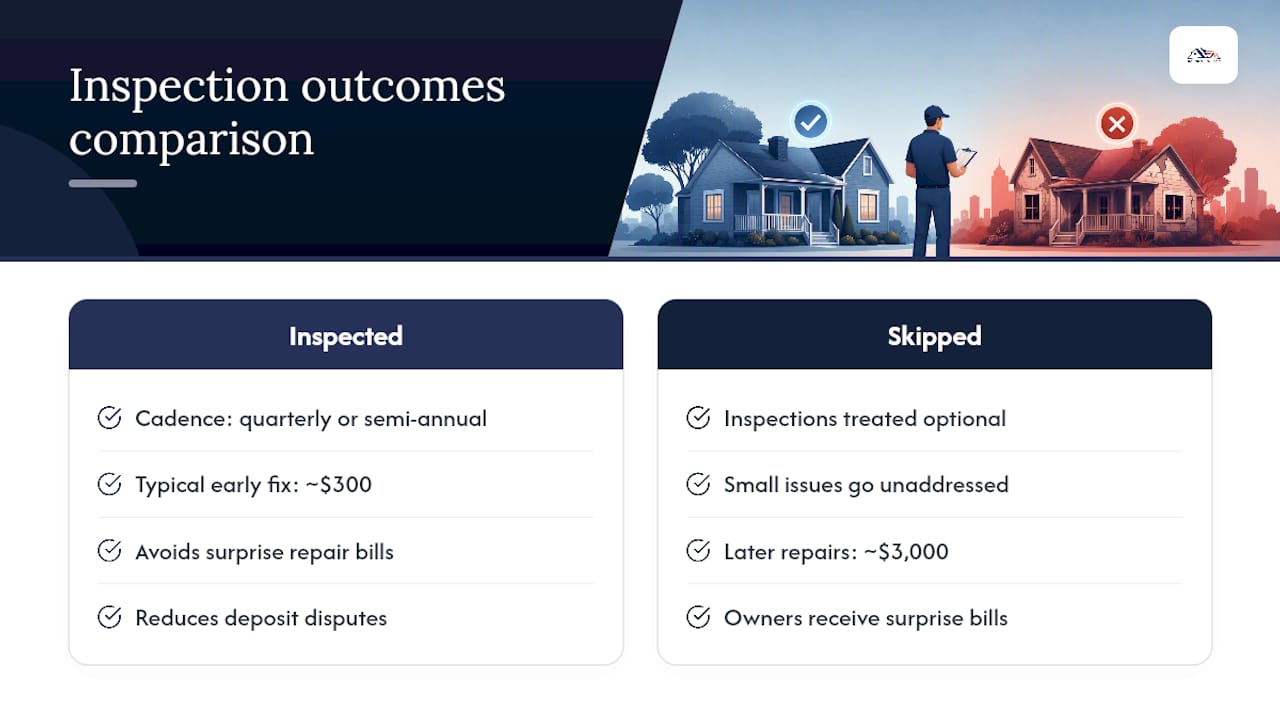
Most landlord losses trace back to a problem that sat unaddressed for months, not one that appeared overnight. A quarterly or semi-annual habit, run against a checklist like DCA's DSS standard, catches the $300 fix before it becomes the $3,000 fix.
Many property management companies build inspection cadence into every management plan, because the owners who skip inspections are often the same ones calling later about a surprise repair bill or a deposit dispute they can't win on paper. The most common mistake we see is treating inspections as optional once a tenant seems reliable. Reliable tenants still have plumbing that ages and roofs that leak.
— Matt
Let OneSource Real Estate Handle Your Inspection Schedule
Running a defensible inspection routine across multiple units takes time most owners don't have, and a missed cadence is how small problems turn into expensive ones. OneSource Real Estate is the alternative to managing that schedule yourself: our monthly property management service builds routine inspections, maintenance coordination, and documentation directly into a flat 10% monthly fee, so nothing slips between visits.
Our service suite covers what a self-managing landlord typically juggles alone: tenant placement, lease renewals, rent collection, and inspection follow-through, plus an optional Owner Benefit Package (OBP™) at $40 per month per unit for added protection. If you're scaling past a handful of doors, dealing with a county certification requirement, or just unsure whether your current process would hold up in a deposit dispute, that's exactly when outsourcing makes sense. Reach out through our property management page to get your current schedule reviewed.
Where to Verify Georgia's Inspection Rules Yourself
For the official language behind everything in this guide, check the DCA DSS checklist, the Georgia Landlord-Tenant Handbook, and Cobb County's multi-family inspection page for a local-ordinance example. OneSource Real Estate's security deposit guide covers the tenant-facing side.
Sources
- HOUSING QUALITY STANDARDS CHECKLIST — Georgia DCA
- Multi-Family Inspections | Cobb County Georgia
- Consumer
FAQ
What Are Georgia's Rent Laws Heading Into 2026?
Georgia hasn't enacted statewide rent control, and there's no new statutory cap on rent increases taking effect. Landlords should still follow existing notice requirements before any rent change and check whether their specific county has added local ordinances beyond state law.
What Can Disqualify a Rental Applicant in Georgia?
Common disqualifiers include insufficient income relative to rent, a poor rental payment history, certain eviction records, and failed criminal background checks tied to the landlord's written screening criteria. Screening criteria must be applied consistently to avoid fair-housing violations.
What Can a Landlord Not Do in Georgia?
A Georgia landlord cannot enter a unit without proper notice under the lease, cannot shut off utilities to force a tenant out, and cannot skip the required written move-in damage list if they own more than ten units or use a management agent. Illegal lockouts and self-help evictions are also prohibited.
How Far Behind on Rent Triggers Eviction in Georgia?
There's no fixed number of days in state law before a landlord can act. Once rent is late per the lease terms, a landlord can issue a demand for possession, and if the tenant doesn't pay or vacate, the landlord can file a dispossessory action in court.
Does OneSource Real Estate Handle Routine Inspections for Owners?
Yes. OneSource Real Estate's monthly management service includes scheduled inspections, documentation, and maintenance follow-up as part of its standard 10% monthly fee, with an optional Owner Benefit Package for added coverage.