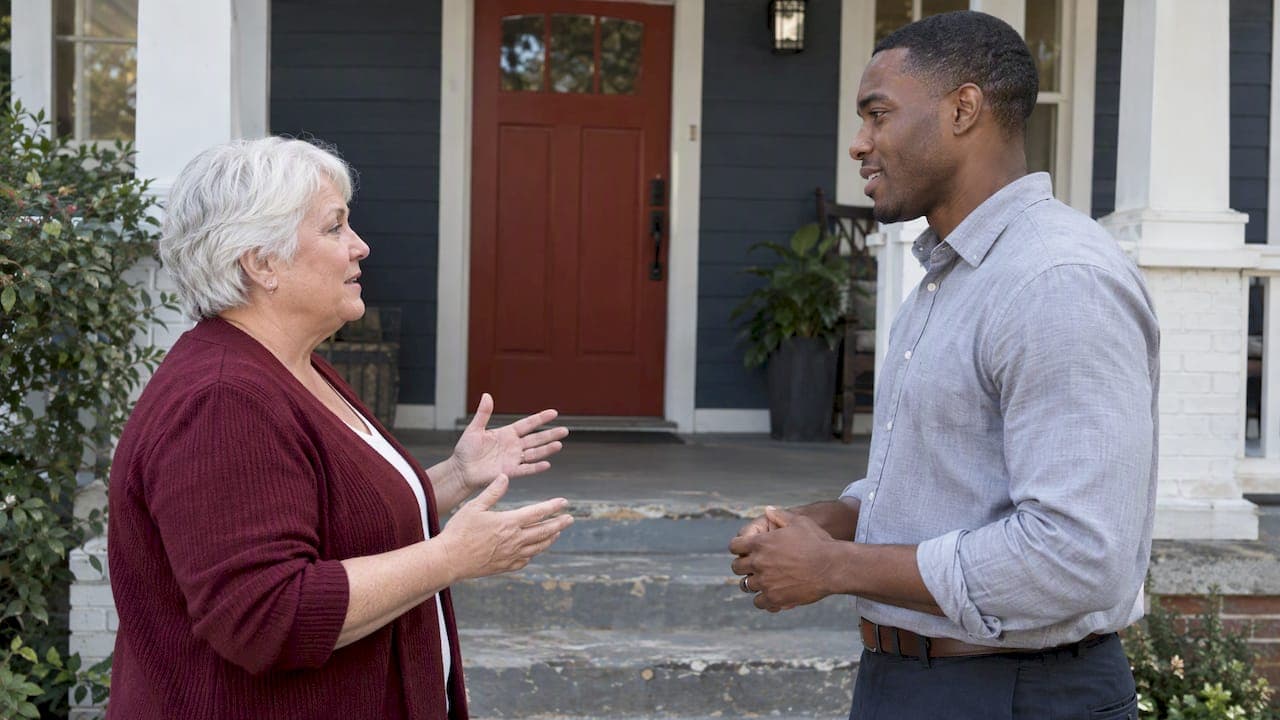
A broker's open is a private preview for real estate agents, usually held on a weekday. A public open house is for buyers, neighbors and anyone else who walks in, and it usually happens on a weekend. Most sellers do not have to pick one. The two events do different jobs, and the better question is which one your home needs first, and whether it needs the second at all.
Below, we explain how each works, what the evidence says about results, and how we would sequence them for a home in metro Atlanta.
TL;DR
- A broker's open is for agents only. It gets professional opinions on your home and price and encourages private showings from buyers' agents.
- A public open house is for the general public. It can build local interest, but most buyers now start online, so it works best as one tool among several.
- Broker opens usually come in the first few days after listing. A public open house typically follows the first weekend after the home goes on the market.
- Either event means strangers in your home. Prepare the house, hide valuables and paperwork, and ask your agent about insurance and safety rules before you schedule.
- Doing both, in the right order, costs little extra effort and gets the home in front of agents and buyers.
Table of Contents
- What a broker's open is, and who is invited
- What a public open house is
- Broker's open vs open house at a glance
- What a broker's open can do for a seller
- What the evidence says about public open houses
- Which one should you choose?
- An open-house plan for Atlanta sellers
- Protect your home before anyone walks in
- Our perspective
- Working with us
- FAQ
- Sources
What a broker's open is, and who is invited
A broker's open (also called a broker open house or agent preview) is a property preview reserved for real estate agents and other industry professionals, not for prospective buyers. The agents who attend walk through the home with their own clients in mind. If they like it, they may arrange a private showing later.
Think of it as a product launch aimed at the people who influence buyers. Agents see the home in person, compare it to what else is for sale, and tell your listing agent what they think. Some bring a card and a question about price. Some say nothing and call a week later with a buyer.
Because the audience is professional, these events tend to be short and low key. Your listing agent usually adds light refreshments, a feature sheet with the key facts, and a way to leave feedback. You do not need to stage a party.
What a public open house is
A public open house invites everyone. Buyers who are early in their search come, and so do people who are only curious and neighbors who want to see what the house looks like inside. The event is generally held on weekends, most often Sunday afternoon, because that is when most buyers are free.

The listing agent also uses it to meet visitors. That is worth knowing as a seller. Some of the people who sign in are not looking for your house at all, and the agent may be hoping to find a future client. Neither of those is bad, but it explains why agents promote open houses so enthusiastically, and why you should decide whether one serves your goals.
Broker's open vs open house at a glance
| Broker's open | Public open house | |
|---|---|---|
| Who attends | Real estate agents and brokers | Buyers, neighbors, browsers, and agents |
| Typical day | Midweek | Weekend, often Sunday afternoon |
| Typical timing | First few days after listing, or after a price or marketing change | Usually the first weekend after the home goes on the market |
| Main goal | Professional feedback and private showings | Broad exposure and local interest |
| Main benefit to you | Agents learn the home and can steer clients to it | Buyers see it in person without an appointment |
| Main drawback | Few direct buyers in the room | Strangers in the home and many visitors who are not serious |
| Security demands | Moderate: visitors are licensed professionals, but still unknown to you | Higher: anyone can walk in |
What a broker's open can do for a seller
The case for a broker's open is mostly about information and reach.
Professional opinions. A broker's open lets the listing agent collect professional opinions about the property and its price. Agents see homes every week. If three of them say the kitchen feels dated for the price, you learn that before a buyer says it through a low offer.
Private showings. The same source notes that the event encourages buyers' agents to schedule private showings. A buyer who tours privately with their agent is often more serious than someone who wandered into a Sunday open house.
Timing and a second chance. Broker opens are generally scheduled within the first few days after listing to capture early interest. If you change the price or refresh the marketing, another one can be held. That gives agents a reason to look again at a home that has been sitting.
Low disruption. A weekday event of an hour or two, with professionals attending, is easier on a family with kids, pets and jobs than a public afternoon.
The limit is plain: nobody in the room is writing an offer that day. A broker's open works only when agents actually show up and remember the home. That depends on a good price, good photos, and an agent with a network. Getting your home into the MLS is the prerequisite. If you want to see how listing data reaches agents and portals, our explainer on how MLS data feeds work covers it.
What the evidence says about public open houses
The research on public open houses is mixed, and it is worth reading before you give up a Sunday.
Buyers use them, but rarely first. The 2023 Profile of Home Buyers and Sellers reported that 50% of buyers used open houses as an information source, compared with 88% who used a real estate agent. The same report found that only 3% of buyers said visiting open houses was their first step, while 41% first looked online for properties. In other words, buyers form their shortlist on a screen and use open houses later, to confirm or rule out.
They help agents more than they help one listing. A Texas Real Estate Research Center survey of agents is old (1998) and from one state, so treat it as a clue, not a verdict. It found that 41% of respondents said public open houses helped sell the house, but 73% said they helped interest buyers in other homes and 55% said they helped generate new listing contracts. The same article reported that 62% of agents believed most attendees were not serious buyers.

That pattern matches what the sellers' guides say today: public open houses can create interest and provide feedback, but online listings have reduced their necessity.
When they make sense. The National Association of Realtors takes a balanced view: public opens are most useful when broad exposure or a property's distinctive features justify them, and only with proper preparation and safety controls.
Put together: a public open house is not a magic sale event. It is a way to get foot traffic for a home that photographs well but shows even better, or for a home in a neighborhood where buyers like to browse.
Which one should you choose?
Use these questions to decide.
Choose a broker's open first if:
- You want honest feedback on price and condition before the first weekend.
- Your home suits a buyer who is already working with an agent, which describes most buyers.
- You have a tight schedule, pets, or privacy concerns and want to limit foot traffic.
- The home is priced above the neighborhood's typical sale, and agents need to see why.
Add a public open house if:
- The home has features that photos do not capture: a large lot, a renovated kitchen, a finished basement, a view.
- You are in a family-oriented area where neighbors often know someone who wants to move in.
- The home is move-in ready and easy to secure.
- You want fast, broad exposure and are comfortable with the trade-offs.
Skip the public event, at least at first, if:
- The home is vacant and hard to monitor.
- It is occupied by a tenant who has not agreed to it.
- You have valuable or sensitive items that are hard to put away.
- Showings are already coming in steadily and the price is drawing interest.
The usual answer for a well-priced home is both, in order. Hold the broker's open in the first few days. Then, if the listing agent and you agree it will help, hold the first public open house on the weekend after the home goes on sale, which is the NAR's suggestion for maximum exposure. Revisit the plan if the home has not drawn offers after a couple of weeks.
An open-house plan for Atlanta sellers
Metro Atlanta is not one market. A condo near Midtown, a ranch in Marietta, a newer home in Alpharetta or Johns Creek and a starter home in Powder Springs or Austell attract different buyers, and the right mix of events changes with them. A few principles apply across the area.
- Price first. No open house fixes a wrong price. Agents who preview a broker's open will tell each other quickly if the number looks off. Our guide to pricing an Atlanta home locally shows how we approach it.
- Time the listing. Spring is the busiest season in Atlanta, so the preparation window matters more than any single event. We lay it out in why May peaks and how to prep in 6 to 8 weeks.
- Week one: broker's open. Schedule it midweek, within a few days of going live, with the photos, feature sheet and any disclosures ready.
- First weekend: public open house, if it fits. Hold it on the first weekend after the listing goes live, for two to three hours on Sunday afternoon. Pick the day around local events and traffic you know.
- Week two onward: review. Look at the feedback, the showing count and online views. If agents praised the home but called the price high, change the price and consider a second broker's open rather than another public event.
- Match the event to the buyer. Commuter-oriented buyers in the northern suburbs often work with agents and tour by appointment. A weekend walk-through may suit a neighborhood where buyers browse in person. Your agent should know which pattern your street follows.
If you want more than one path to a sale, we also offer a cash offer option for owners who value speed and certainty over a full marketing run.
Protect your home before anyone walks in
Both events put unknown people inside your home. Preparation is part of the plan, not an afterthought.
Prepare the home. NAR advises sellers to clean, declutter, depersonalize and improve curb appeal, and to use a checklist. Remove family photos and mail, and clear counters so rooms look larger.
Put away what could be taken or seen. The same guidance says to remove or hide pets, valuables, prescription drugs, checkbooks and sensitive personal information. Medicine cabinets, desk drawers and home offices are where people look. Lock up or take out anything you would not want a stranger to photograph.
Expect your agent to follow safety practices. NAR's guidance for agents includes working with a buddy, checking in with the office, asking visitors for identification, not giving out access codes, and limiting how many people are inside at once. Ask your agent what their routine is.
This is not a theoretical risk. In NAR's 2024 Member Safety Report, residential members most often said they felt unsafe during an open house (34%), followed by threatening or inappropriate communications and showings at 31% each.
Understand liability and insurance. NAR's November 2024 summary of a Georgia Court of Appeals decision, in which an agent and brokerage were not held liable for an injury during an in-person showing, is a useful reminder that outcomes depend on the facts. NAR notes that the decision was fact-specific. It points to taking reasonable precautions for known hazards, reviewing insurance, and allocating visitor-safety responsibilities carefully in the listing agreement. Do not assume you are protected automatically. Before you schedule an open house, read the listing agreement, ask your insurance agent whether your homeowner's policy covers visitors, and fix any hazard you know about, such as a loose stair rail or a slippery entry. If you want a legal reading of your own situation, talk to a Georgia real estate attorney.
If the home is a rental with a tenant in place, check the lease and give proper notice before any event. Our guide to self-guided showings for landlords and managers shows how access can be handled differently when a home is occupied or vacant.
Our perspective
We do not treat the open house as the centerpiece of a sale. We treat it as one marketing step among several, and the first step is the price and the listing presentation. Most of the buyers a home attracts find it online and ask their agent to book a visit. That is why we put the broker's open ahead of the public one in most plans. It tells us, within days, how the professionals read the home.
We also care about what a seller gives up. A public open house costs a Sunday, some privacy and some risk. If it brings the right buyer, that is a fair trade. If the home is occupied, hard to secure or already drawing showings, we say so and suggest skipping it. Our aim is a sale that is smooth for you, not an event that looks busy.
Because we also manage rental property for investors across Atlanta, we see this from the owner's side too: owners care about disruption, liability and what a tenant has agreed to. When an investor sells a rental, we plan access and notice with the lease in mind.
— Matt
Working with us
If you are planning to sell, we will help you decide which events to hold and in what order, then price and market the home to match. Start with our Sell My Home page to talk through your timeline. If you own rentals and are weighing a sale or a hold, our investment consulting sessions are available as a 30-minute call for $300 or a 60-minute deep-dive for $500. For a broader look at what a full-service agent covers, read our 2026 guide to full-service brokerage.
FAQ
Can I hold a broker's open and a public open house for the same home?
Yes, and many sellers do. The broker's open usually comes first, within a few days of listing, to get agents and their clients through the door. A public open house on the first weekend after the home goes on sale then reaches buyers who are not yet working with an agent.
Are broker opens only held for new listings?
No. They are most common in the first few days after a home is listed, but another can be held after a price change or a marketing refresh. That gives agents a reason to see the home again.
Does an open house actually sell a home?
Sometimes, but it is rarely the main driver. In the 2023 buyer survey, only 3% of buyers said an open house was their first step, while 41% began by looking online. An open house is more useful for exposure and feedback than as a stand-alone sales tool.
Is it safe to hold an open house?
It carries real risks, so it takes preparation. Put away valuables, medications and documents, and ask your agent how they screen visitors and limit the number of people inside. Review your homeowner's insurance and listing agreement before the event.
What should I expect from a broker's open as a seller?
Expect a short weekday event with a handful of agents, not a crowd. The value is in the feedback on price and condition and in any private showings that follow. Ask your listing agent to share every comment they hear.
Sources
- Broker's Open House: What It Is and How It Benefits Agents (Investopedia)
- The Role of Open Houses in Real Estate (Investopedia)
- Open Houses (National Association of Realtors)
- Survey Slams Door on Open Houses (Texas Real Estate Research Center)
- 2023 Home Buyers and Sellers report
- 2024 Member Safety Residential Report (NAR)
- Agents/Brokerage Not Liable for Injuries Sustained During In-Person Showing (NAR)