
TL;DR:
- Property management companies in Gwinnett County handle rental operations to maximize income and protect property owners. They perform tenant screening, rent collection, maintenance, and legal compliance to ensure efficient property oversight. Owners should verify licenses, request transparency, and compare service quality before choosing a firm.
Property management companies in Gwinnett County, GA, are professional firms that handle the daily operations of rental properties to protect owner investments and maximize rental income. The industry standard for these services covers tenant screening, rent collection, maintenance coordination, lease enforcement, and financial reporting. The National Association of Residential Property Managers (NARPM) sets professional benchmarks that the best Gwinnett County rental agencies follow. OneSource Real Estate operates within this framework, offering property owners a full management suite that removes the burden of hands-on landlording. Choosing the right firm is one of the most consequential decisions a rental property owner makes.
What do property management companies in Gwinnett County, GA, actually do?
Property management companies in Gwinnett County serve as the operational arm of a rental investment. They handle every function between placing a tenant and depositing rent into an owner's account. The scope includes marketing vacant units, screening applicants, drafting leases, collecting rent, coordinating repairs, and managing evictions when necessary.

The value is clearest when you consider what owners give up without professional help. A self-managing landlord fields maintenance calls at 11:00 PM, chases late rent payments, and navigates Georgia's landlord-tenant statutes alone. A qualified Gwinnett property management firm absorbs all of that. The owner receives a monthly financial statement and a direct deposit.
Georgia requires property managers to hold a real estate broker license or operate under one. Licensing verification protects owners from unqualified operators who may expose them to legal liability. Checking the Georgia Real Estate Commission's public database takes less than five minutes and should be the first step before any conversation with a prospective firm.
How to vet and select a Gwinnett County property management firm
The selection process separates owners who protect their assets from those who learn expensive lessons. Interview at least three firms before signing any contract. Comparing responsiveness, documentation practices, and communication clarity across multiple candidates reveals patterns that a single conversation cannot.
Use these criteria during your evaluation:
- License verification. Confirm the firm holds an active Georgia real estate broker license through the state regulatory database.
- Financial documentation. Request sample owner statements and move-in/move-out condition reports before signing. A firm that hesitates to share these is a firm to avoid.
- Escrow account proof. Ask for confirmation that tenant security deposits are held in a separate escrow account, as Georgia law requires.
- Staff consistency. Ask the same leasing and maintenance questions to multiple staff members. Conflicting answers signal a disorganized operation.
- Goal alignment. Smaller portfolios often benefit from a local firm with direct owner access. Larger institutional portfolios may fit better with a system-driven operation. Owner goals determine the best fit more than company size alone.
Pro Tip: Ask each firm how they handle a tenant who is 15 days late on rent. The specificity and confidence of the answer tells you more about operational quality than any marketing brochure.
The strongest indicator of management quality is how clearly a firm answers difficult questions during the interview, not how polished their sales pitch sounds. Plain, specific answers build trust. Vague reassurances do not.
Key services offered by Gwinnett County property management companies
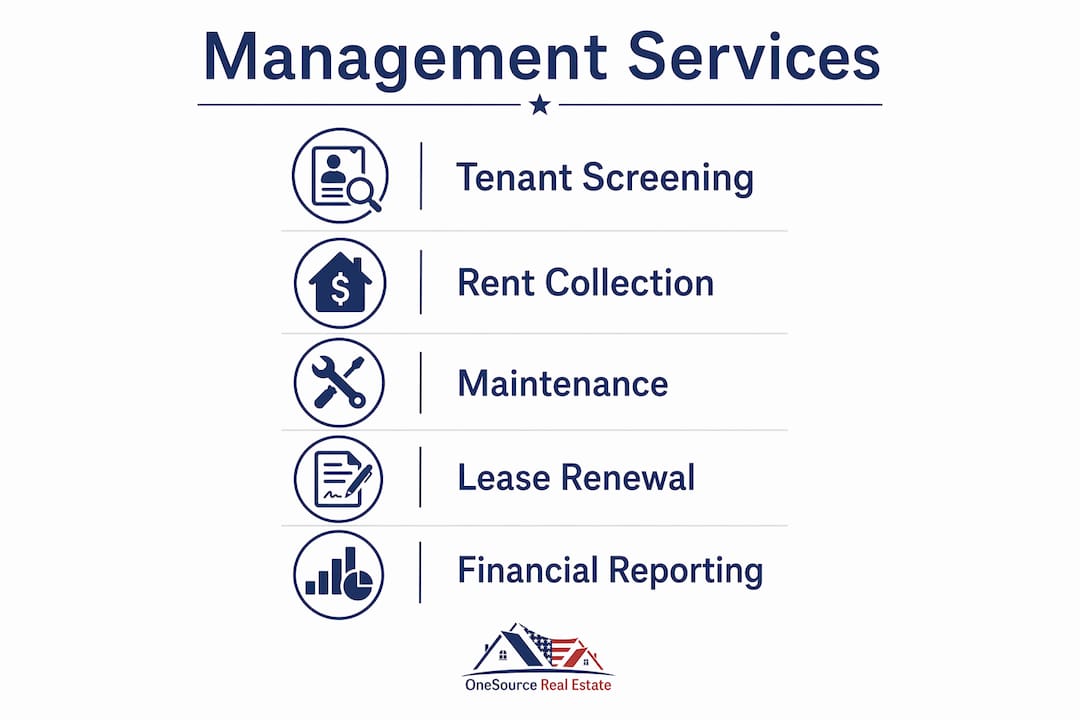
A full-service Gwinnett rental management firm delivers a defined set of operational functions. Understanding each one helps owners evaluate whether a firm's offering matches their needs.
-
Tenant screening and placement. Thorough screening includes income verification, credit checks, rental history, and eviction history review. Firms that screen strictly reduce turnover costs and property damage over the long term. A bad placement costs far more than a vacancy.
-
Rent collection and financial reporting. The firm collects rent, enforces late fees, and provides itemized monthly owner statements. Owners should expect a clear breakdown of income, expenses, and net distributions every month without having to ask.
-
Maintenance coordination. Routine maintenance, emergency repairs, and vendor management all fall under this function. The firm dispatches licensed contractors, tracks work orders, and confirms completion. Owners set a dollar-limit approval threshold so repairs above a set amount require owner sign-off.
-
Legal compliance and lease enforcement. Georgia landlord-tenant law governs security deposit handling, notice periods, and eviction procedures. A qualified property manager applies these rules correctly, reducing the owner's exposure to costly legal errors.
-
Eviction management. When a tenant fails to pay or violates lease terms, the firm files the appropriate notices, coordinates with legal counsel, and manages the court process. Owners who self-manage often delay evictions due to discomfort, which compounds losses.
Pro Tip: Ask your prospective firm for their average days-on-market for vacant units and their average lease renewal rate. These two numbers reveal how well they retain good tenants and fill vacancies fast.
Consistent, measurable results across leasing, maintenance, collections, and reporting define a high-quality firm. Owners should expect evidence of performance, not just promises.
What does property management cost in Gwinnett County?
Fee structures vary across Gwinnett County rental agencies, and understanding the full cost picture prevents surprises after signing.
| Fee type | Typical structure | What to watch for |
|---|---|---|
| Monthly management fee | Percentage of collected rent or flat monthly rate | Confirm whether the fee applies to vacant months |
| Tenant placement fee | One-time charge, often 50%–100% of one month's rent | Clarify if this is charged every lease renewal |
| Maintenance markup | 5%–10% above vendor invoice cost | Negotiate an approval threshold to control spending |
| Inspection fee | Per-inspection charge for move-in, move-out, and periodic reviews | Ask how many inspections are included annually |
| Early termination fee | Fixed penalty for ending the management contract early | Read the exit clause before signing |
Maintenance markups of 5%–10% above vendor invoices are common and add up over time. Owners should negotiate a maintenance approval threshold, typically $200–$500, above which the firm must get owner authorization before proceeding. This single clause protects net income more than almost any other contract term.
Property management fees pay for time savings, reduced vacancy losses, and risk mitigation. The real financial risk is paying for poor management, not paying management fees at all. A firm that fills vacancies faster and retains tenants longer more than covers its own cost.
Why professional property management improves rental returns in Gwinnett County
Professional Gwinnett property management delivers measurable advantages that self-management rarely matches. The benefits compound over time as tenant quality improves and operational errors decrease.
- Higher rental income. Firms with deep local market knowledge price rentals accurately. Underpriced units leave money on the table every month. Overpriced units sit vacant. A firm that tracks Gwinnett County rental market data prices correctly from day one.
- Lower vacancy rates. Proactive leasing starts marketing a unit 60–90 days before a current lease expires. This approach eliminates the gap between tenants that costs owners a full month of income.
- Reduced legal risk. Georgia's landlord-tenant statutes carry real penalties for non-compliance. A licensed property manager applies the correct notice periods, deposit handling rules, and eviction procedures every time.
- Better tenant quality. Strict tenant screening that includes income verification and eviction history checks reduces the probability of costly turnover and property damage.
- Owner time savings. Delegating operations to a qualified firm frees owners to focus on acquiring additional properties or managing other priorities. The management fee is the cost of that freedom.
A reliable property manager treats your asset as their own and communicates openly about tenant issues and repairs. That standard of care is what separates a true operational partner from a fee-collecting middleman.
For owners managing properties across multiple Atlanta-area markets, understanding how management practices vary by location matters. The approach that works in Douglasville property management may differ from what Gwinnett County's rental market demands.
Key Takeaways
The most effective property management companies in Gwinnett County combine strict tenant screening, transparent financial reporting, and proactive leasing to protect owner income and reduce risk.
| Point | Details |
|---|---|
| Verify licensing first | Confirm the firm holds an active Georgia real estate broker license before any other evaluation step. |
| Interview at least three firms | Comparing multiple firms reveals communication quality and operational consistency that a single interview cannot. |
| Request financial documentation | Sample owner statements and condition reports show whether a firm operates with real transparency. |
| Understand the full fee structure | Monthly fees, placement charges, and maintenance markups all affect net income and must be reviewed before signing. |
| Match the firm to your goals | Smaller portfolios often benefit from local firms; larger portfolios may fit system-driven operations better. |
What I've learned from watching owners choose the wrong firm
The most common mistake I see Gwinnett County property owners make is choosing a firm based on the lowest management fee. A firm charging 7% of collected rent sounds better than one charging 10%. But if the cheaper firm fills vacancies two weeks slower, marks up every repair invoice, and sends vague monthly statements, the owner loses more than the fee difference every single year.
Property management is an operational partnership, not a vendor transaction. The firms worth hiring communicate hard news directly. They tell you when a tenant is struggling before it becomes an eviction. They flag a roof issue before it becomes a $15,000 repair. That kind of proactive communication is worth far more than a percentage point on the management fee.
The red flags I watch for are simple. A firm that hesitates to share sample financial statements is hiding something. A firm whose staff gives conflicting answers about their own processes has no real system. A firm that cannot explain their eviction procedure in plain terms has probably never managed one well.
My honest advice: pay for quality, demand transparency, and treat the interview like hiring a business partner. Because that is exactly what you are doing.
— Matt
OneSource Real Estate: property management for Gwinnett County owners
Gwinnett County property owners who want a full-service management solution without the guesswork of vetting an unknown firm have a direct option.
OneSource Real Estate is a licensed Atlanta-area real estate brokerage that specializes in residential property management across Gwinnett County and surrounding markets. The firm handles tenant screening, rent collection, maintenance coordination, lease enforcement, and owner reporting under one roof. Owners get clear monthly statements, direct communication, and a team that treats each property as a real investment. Visit OneSource Real Estate to learn more about available management services or to schedule a consultation. For owners comparing rent collection options as part of a broader management review, the site covers that ground as well.
FAQ
What licenses should property management companies in Gwinnett County hold?
Georgia requires property managers to hold an active real estate broker license or operate under a licensed broker. Verify any firm's license status through the Georgia Real Estate Commission's public database before signing a contract.
How much do Gwinnett County property management companies typically charge?
Monthly management fees generally run as a percentage of collected rent, with additional charges for tenant placement, maintenance coordination, and inspections. Maintenance markups of 5%–10% above vendor invoices are common and should be negotiated upfront.
What is the most important question to ask a property manager during an interview?
Ask how they handle a tenant who is 15 days late on rent. A specific, confident answer reveals operational maturity. A vague or hesitant answer signals a firm that lacks a real system.
How does professional property management reduce vacancy rates in Gwinnett County?
Experienced firms begin marketing a unit 60–90 days before a current lease expires. This proactive approach eliminates the gap between tenants and protects the owner from losing a full month of rental income.
Is property management worth the cost for a single rental property in Gwinnett County?
The fees pay for time savings, reduced vacancy losses, and legal risk mitigation. Poor management costs far more than management fees through evictions, turnover, and compliance errors.